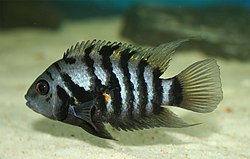
Fuzzy white growth in Convict Cichlids, a common freshwater species, is often a severe fungal infection. This condition can rapidly worsen and lead to death if not addressed promptly. Owners must understand the urgency of treating this issue and ensure optimal water conditions to prevent recurrence.
Convict Cichlid Fuzzy Growth: Common Causes
Poor Water Quality
Most LikelyUnbalanced pH levels or high ammonia and nitrite can weaken the fish's immune system, making them susceptible to fungal infections.
Injuries or Trauma
PossiblePhysical damage to the fish's fins or body can create an entry point for fungi, leading to infections.
Overcrowding or Aggression
PossibleStress from overcrowding or aggression among tank mates can compromise the fish's immune system, increasing the risk of fungal growth.
Poor Diet
PossibleA diet lacking in essential nutrients can weaken the fish's immune system, making them more prone to fungal infections.
Environmental Changes
Less CommonSudden changes in water temperature or water parameters can stress the fish, weakening their immune defenses against fungi.
How to Diagnose the Cause
Follow these steps in order. Stop when you identify a likely cause and move to treatment.
- Observe the fish closely for any signs of injury, trauma, or stress.
Check for any physical damage to the fins or body.
- Test the water parameters for ammonia, nitrite, nitrate, pH, and temperature.
Ensure all parameters are within the optimal range for Convict Cichlids.
Recommended: Water test kit - Monitor the tank for overcrowding or aggression among tank mates.
Ensure the tank size is adequate and tank mates are compatible.
- Assess the fish's diet and nutrition.
Ensure a balanced diet rich in essential nutrients is provided.
- Check for recent changes in the tank environment or water conditions.
Gradually adjust any changes to minimize stress.
How to Treat Convict Cichlid Fuzzy Growth
- Improve water quality by performing regular water changes and maintaining optimal parameters.
Change 25% of the tank water daily until parameters stabilize.
- Use an anti-fungal treatment as recommended by a veterinarian, following the dosage instructions carefully.
Common treatments include potassium permanganate or formalin.
- Ensure the fish is kept in a stress-free environment, reducing aggression and overcrowding if necessary.
Provide adequate space and compatible tank mates.
- Maintain a consistent diet rich in vitamins and minerals to support immune function.
Consider supplements like vitamin C and garlic to boost immunity.
- Monitor the fish's response to treatment and report any changes to a vet if the condition worsens or persists.
Continue treatment until all signs of infection are gone and water parameters are stable.
How to Prevent Convict Cichlid Fuzzy Growth
When to See a Vet
🔬 AI Symptom Checker
Not sure what's wrong? Describe your fish's symptoms to the FishCare AI and get an instant diagnosis.
Check Symptoms →Frequently Asked Questions
This guide was reviewed for biological accuracy and practical aquarium care guidance. Always test water parameters before treating a sick fish — poor water quality is the most common root cause. Consult an aquatic veterinarian if symptoms persist after 48 hours of correct treatment.
Sources: Merck Veterinary Manual — Aquarium Fishes · UF/IFAS Extension — Fish Health Management