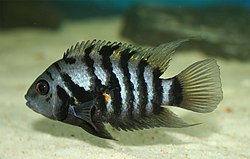
Clamped fins in Convict Cichlids often indicate stress or injury, which can be serious if not addressed promptly. Owners should first ensure the tank conditions are optimal and consider potential aggression from tank mates. This condition is usually manageable with proper care and can resolve on its own.
Convict Cichlid Clamped Fins: Common Causes
Aggression from Tank Mates
Most LikelyConvict Cichlids are aggressive and can harm each other, leading to stress and injury.
Poor Water Quality
Most LikelyHigh ammonia or nitrite levels can stress the fish and cause fins to clamp.
Injury or Trauma
PossiblePhysical damage from tank decor or other fish can cause immediate clamping.
Disease
PossibleInfections or parasites can weaken the fish, making them more prone to stress and fin clamping.
Improper Diet
Less CommonLack of proper nutrition can weaken the fins, making them more susceptible to damage and clamping.
How to Diagnose the Cause
Follow these steps in order. Stop when you identify a likely cause and move to treatment.
- Observe the fish's behavior and tank conditions.
Look for signs of stress, aggression, or changes in water quality.
- Check the water parameters for ammonia, nitrite, and nitrate levels.
Use a water test kit to ensure the water quality is within the optimal range for Convict Cichlids.
Recommended: Water test kit - Inspect the fish for any visible injuries or signs of disease.
Look for lumps, spots, or other abnormalities on the fish's body and fins.
- Review the fish's diet and feeding schedule.
Ensure the fish is receiving a balanced diet rich in protein and vitamins.
- Consider the tank's social environment.
Assess whether the fish is compatible with its tank mates and if there is any aggression.
How to Treat Convict Cichlid Clamped Fins
- Improve water quality by performing regular water changes and maintaining optimal pH levels.
Change 20-30% of the water weekly to reduce ammonia and nitrite levels.
- Remove any aggressive tank mates or provide a separate tank for the injured fish.
This will reduce stress and aggression towards the fish with clamped fins.
- Administer appropriate medication if a disease is suspected.
Follow the vet's instructions for the correct dosage and treatment duration.
- Adjust the diet to include high-quality fish food and supplements if necessary.
Ensure the fish is getting enough protein and vitamins to support fin health.
- Monitor the fish's progress and continue treatment until the fins are fully recovered.
Regular observation is crucial to ensure the problem is resolving and to prevent recurrence.
How to Prevent Convict Cichlid Clamped Fins
When to See a Vet
🔬 AI Symptom Checker
Not sure what's wrong? Describe your fish's symptoms to the FishCare AI and get an instant diagnosis.
Check Symptoms →Frequently Asked Questions
This guide was reviewed for biological accuracy and practical aquarium care guidance. Always test water parameters before treating a sick fish — poor water quality is the most common root cause. Consult an aquatic veterinarian if symptoms persist after 48 hours of correct treatment.
Sources: Merck Veterinary Manual — Aquarium Fishes · UF/IFAS Extension — Fish Health Management