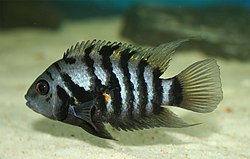
Bloated Convict Cichlids can indicate a serious health issue due to their hardy nature and aggressive behavior, making early diagnosis crucial. Abdominal distension in these fish could be life-threatening. Owners must understand that prompt action is vital.
Convict Cichlid Bloated or Swollen: Common Causes
Bacterial Infection
Most LikelySecondary to stress or poor water quality, often leads to organ failure.
Internal Parasites
PossibleCaused by nematodes or trematodes, leading to bloating and organ damage.
Poor Diet
PossibleOverfeeding or inadequate nutrition can lead to obesity and bloating.
Fungal Infection
Less CommonMay cause bloating, but often accompanied by other symptoms like ulcers.
Pregnancy or Egg Binding
Less CommonFemale Convict Cichlids may exhibit bloating during breeding or due to egg binding.
How to Diagnose the Cause
Follow these steps in order. Stop when you identify a likely cause and move to treatment.
- Observe the fish's behavior and appearance
Check for other symptoms such as loss of appetite, fin damage, or bloating.
- Check water quality parameters
Ensure ammonia, nitrite, and nitrate levels are within the safe range for Convict Cichlids.
Recommended: pH test kit, nitrate test kit - Inspect the fish's gills
Look for signs of infection, such as cloudy or damaged gills.
- Conduct a fecal exam
Identify internal parasites if present.
Recommended: microscope - Consider breeding history
Assess if the fish is female and currently breeding, which can cause bloating.
How to Treat Convict Cichlid Bloated or Swollen
- Improve water quality
Increase water changes to remove toxins and reduce ammonia, nitrite, and nitrate levels.
- Administer antibiotics
If a bacterial infection is suspected, treat with an appropriate antibiotic.
- Treat for internal parasites
Use a suitable medication that targets nematodes or trematodes.
- Adjust diet
Feed a balanced diet, reduce portion sizes, and ensure fresh food is available.
- Support breeding if necessary
Provide breeding tanks or assist with egg removal if the fish is pregnant or has egg binding.
How to Prevent Convict Cichlid Bloated or Swollen
When to See a Vet
🔬 AI Symptom Checker
Not sure what's wrong? Describe your fish's symptoms to the FishCare AI and get an instant diagnosis.
Check Symptoms →Frequently Asked Questions
This guide was reviewed for biological accuracy and practical aquarium care guidance. Always test water parameters before treating a sick fish — poor water quality is the most common root cause. Consult an aquatic veterinarian if symptoms persist after 48 hours of correct treatment.
Sources: Merck Veterinary Manual — Aquarium Fishes · UF/IFAS Extension — Fish Health Management