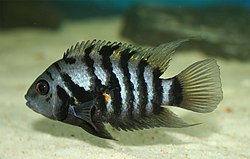
Convict Cichlids are generally peaceful but can exhibit sudden aggression due to stress, overcrowding, or territorial disputes. This behavior is concerning as it can lead to injuries among tank mates. Owners should first assess the tank conditions and recent changes before taking action.
Convict Cichlid Aggressive: Common Causes
Territorial Disputes
Most LikelyConvicts are known for their territorial nature. Sudden aggression may arise due to overcrowding or changes in the tank layout.
Stress
PossibleStress can be caused by water quality issues, sudden temperature changes, or recent introductions of new tank mates.
Dietary Issues
PossibleUnbalanced diet or lack of variety can lead to aggression as fish may compete for food.
Maturity
Less CommonMale Convicts may become more aggressive as they mature and establish territories.
Illness
Less CommonUnderlying health issues can cause aggression. It's important to rule out medical problems first.
How to Diagnose the Cause
Follow these steps in order. Stop when you identify a likely cause and move to treatment.
- Observe the tank for recent changes in water quality, temperature, or tank mates.
Check for ammonia, nitrite, and nitrate levels, temperature fluctuations, and recent introductions.
Recommended: water test kit - Monitor the fish's diet to ensure it is balanced and varied.
Provide a mix of pellets, flakes, and live or frozen foods, including bloodworms and brine shrimp.
- Assess the tank size and population density.
Ensure the tank is large enough and the fish are not overcrowded.
- Check for any signs of illness such as ulcers, fin rot, or bloating.
These symptoms may indicate a medical issue contributing to aggression.
- Consider the fish's age and maturity level.
Younger fish or those nearing maturity may exhibit more aggression.
How to Treat Convict Cichlid Aggressive
- Improve water quality by performing regular water changes (20-30% weekly).
Maintain optimal ammonia, nitrite, and nitrate levels.
- Adjust the tank layout if necessary, providing hiding spots and territories.
Use rocks, caves, and plants to reduce aggression.
- Ensure a balanced and varied diet, including high-quality protein sources.
Feed appropriate amounts to prevent competition for food.
- Separate the aggressive fish temporarily if possible, or consider a larger tank with more space for all fish.
This can help reduce stress and aggression.
- Consult a veterinarian if aggression persists or is accompanied by signs of illness.
Underlying health issues may require veterinary treatment.
How to Prevent Convict Cichlid Aggressive
When to See a Vet
🔬 AI Symptom Checker
Not sure what's wrong? Describe your fish's symptoms to the FishCare AI and get an instant diagnosis.
Check Symptoms →Frequently Asked Questions
This guide was reviewed for biological accuracy and practical aquarium care guidance. Always test water parameters before treating a sick fish — poor water quality is the most common root cause. Consult an aquatic veterinarian if symptoms persist after 48 hours of correct treatment.
Sources: Merck Veterinary Manual — Aquarium Fishes · UF/IFAS Extension — Fish Health Management