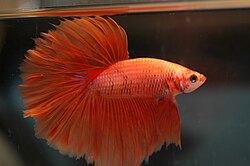
Spots on fins in Betta Fish, known as fin rot or ich, are often due to stress or poor water quality. These spots can indicate a serious condition that can lead to severe health issues. It's crucial for owners to recognize the urgency and address it promptly.
Betta Fish Spots on Fins: Common Causes
Poor Water Quality
Most LikelyHigh ammonia and nitrite levels, and inadequate water changes can lead to stress and weaken the fish's immune system.
Infection
Most LikelyBacterial infections like fin rot are common, often due to poor water conditions or physical injury to the fins.
Stress
PossibleAggressive tankmates, overcrowding, or rapid changes in water parameters can cause stress, leading to spots on the fins.
Poor Diet
PossibleInsufficient nutrients or overfeeding can weaken the Betta's immune system, making it more susceptible to infections.
Parasites
Less CommonIch or other parasites can cause spots on fins, especially if water conditions are not maintained properly.
How to Diagnose the Cause
Follow these steps in order. Stop when you identify a likely cause and move to treatment.
- Observe the spots closely
Note if the spots are pin-point or larger, and if the fins appear velvet or discolored.
- Check water parameters
Use a water test kit to measure ammonia, nitrite, and nitrate levels. pH and temperature should be within the ideal range for Betta Fish.
Recommended: water test kit - Inspect the tank environment
Look for signs of aggression, overcrowding, or poor diet. Check for any physical injuries on the fish.
- Consult a vet or aquatic specialist
If the diagnosis is uncertain or if the fish shows additional symptoms, professional advice is necessary.
- Take a fin tissue sample
This is done by gently scraping a small piece of the affected fin and examining it under a microscope for bacteria or parasites. Use a sterile scalpel or needle and forceps.
Recommended: sterile scalpel, forceps
How to Treat Betta Fish Spots on Fins
- Increase water changes
Perform 25-50% water changes every other day to remove ammonia and nitrite.
- Adjust water parameters
Ensure the tank maintains optimal pH (6.5–7.5) and temperature (24–28°C). Use an aquarium heater and pH adjusters if necessary.
- Remove stress factors
Remove aggressive tankmates, reduce the number of fish if overcrowded, and provide a calm, well-decorated tank.
- Use appropriate medication
For bacterial infections, use a broad-spectrum antibiotic like methylene blue or potassium permanganate. For parasites, treat with a suitable parasiticide.
- Improve diet
Feeding a balanced diet of high-quality pellets and live foods will strengthen the Betta's immune system and overall health.
How to Prevent Betta Fish Spots on Fins
When to See a Vet
📖 Full Care Guide
Learn everything about keeping a healthy Betta Fish — tank setup, water parameters, diet, tank mates, and disease prevention.
Betta Fish Care Guide →🔬 AI Symptom Checker
Not sure what's wrong? Describe your fish's symptoms to the FishCare AI and get an instant diagnosis.
Check Symptoms →Frequently Asked Questions
This guide was reviewed for biological accuracy and practical aquarium care guidance. Always test water parameters before treating a sick fish — poor water quality is the most common root cause. Consult an aquatic veterinarian if symptoms persist after 48 hours of correct treatment.
Sources: Merck Veterinary Manual — Aquarium Fishes · UF/IFAS Extension — Fish Health Management