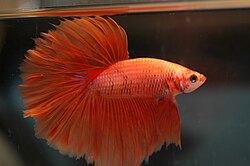
Rapid breathing in Betta Fish, also known as labored respiration, is a serious sign of stress or illness. It's critical to act quickly as it can lead to death. Owners should first rule out common stressors and adjust water parameters accordingly.
Betta Fish Rapid Breathing: Common Causes
Poor Water Quality
Most LikelyAmmonia, nitrite, or nitrate levels too high can overwhelm the gills.
Water Temperature Fluctuations
PossibleSudden temperature changes can cause stress and respiratory issues.
Insufficient Oxygen
PossibleLow oxygen levels in the water can make it difficult for the Betta to breathe.
Disease
PossibleInfections like dropsy, ich, or fin rot can cause rapid breathing.
Poor Diet
Less CommonInadequate nutrition or overfeeding can lead to obesity and respiratory problems.
How to Diagnose the Cause
Follow these steps in order. Stop when you identify a likely cause and move to treatment.
- Measure the pH and temperature of the water with a test kit.
Ensure water parameters are within the optimal range for Betta Fish.
Recommended: pH test kit, water thermometer - Check the tank for any visible signs of disease, like spots or spots on the body or fin damage.
Observe the fish for signs of illness such as clamped fins or cloudy eyes.
- Ensure there are adequate surface area for gas exchange.
Make sure the tank has sufficient surface movement to promote oxygen exchange.
- Observe the fish's behavior to assess its level of stress.
Look for signs of aggression, changes in feeding patterns, or hiding behavior.
- Perform a water change to improve water quality if necessary.
Replace 20-30% of the tank water with dechlorinated water.
How to Treat Betta Fish Rapid Breathing
- Increase the water surface area if needed to improve oxygenation.
Use a powerhead or increase aeration if possible.
- Perform frequent water changes (every 1-2 days) to remove toxins and maintain optimal water parameters.
Use a gravel cleaner or siphon to remove debris.
- If a disease is suspected, treat the tank with appropriate medications.
Follow the manufacturer's instructions for the chosen treatment.
- Ensure the fish has access to clean water and is not being bullied by tankmates.
Provide a quiet area in the tank or consider isolating the fish.
- Adjust the diet to a more suitable one if overfeeding is suspected.
Feeding less often and avoiding overfeeding can help manage weight and improve breathing.
How to Prevent Betta Fish Rapid Breathing
When to See a Vet
📖 Full Care Guide
Learn everything about keeping a healthy Betta Fish — tank setup, water parameters, diet, tank mates, and disease prevention.
Betta Fish Care Guide →🔬 AI Symptom Checker
Not sure what's wrong? Describe your fish's symptoms to the FishCare AI and get an instant diagnosis.
Check Symptoms →Frequently Asked Questions
This guide was reviewed for biological accuracy and practical aquarium care guidance. Always test water parameters before treating a sick fish — poor water quality is the most common root cause. Consult an aquatic veterinarian if symptoms persist after 48 hours of correct treatment.
Sources: Merck Veterinary Manual — Aquarium Fishes · UF/IFAS Extension — Fish Health Management