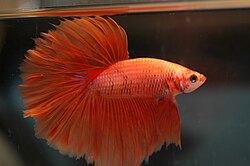
Not eating in Betta Fish can stem from various causes, including aggression, poor water quality, or stress. This issue is typically a sign of distress and should be monitored closely. Owners should first rule out simple causes like hunger or aggression towards tankmates before diving into more complex issues.
Betta Fish Not Eating: Common Causes
Aggressive Tankmates
Most LikelyAggressive behavior towards tankmates can lead to stress and refusal of food.
Poor Water Quality
PossibleHigh ammonia or nitrite levels can cause stress and appetite loss in Betta Fish.
Stress or Illness
PossibleStress from tank conditions or underlying health issues can lead to a loss of appetite.
Improper Diet
PossibleFeeding an inappropriate diet can result in a lack of interest in food.
Environmental Changes
Less CommonSudden changes in water temperature, lighting, or tank decor can stress Betta Fish and disrupt eating habits.
How to Diagnose the Cause
Follow these steps in order. Stop when you identify a likely cause and move to treatment.
- Observe the Betta Fish for signs of aggression, illness, or stress.
Check for redness, fin damage, or changes in behavior.
- Test the water parameters for ammonia, nitrite, and nitrate levels.
Use a reliable test kit to ensure water quality is within the optimal range.
Recommended: Water test kit - Assess the tank environment, including temperature, lighting, and decor.
Ensure conditions are stable and suitable for Betta Fish.
- Evaluate the diet, ensuring it's balanced and appropriate for Betta Fish.
Offer a variety of foods including live, frozen, and freeze-dried options.
- Consider any recent changes in the tank, such as new decorations or tankmates.
Identify if changes might be causing stress.
How to Treat Betta Fish Not Eating
- Remove aggressive tankmates or provide a larger tank if possible.
Ensure the Betta Fish feels safe and can eat in peace.
- Improve water quality by performing water changes and treating ammonia or nitrite spikes.
Maintain regular water changes and monitor parameters closely.
- Reduce stress by minimizing tank disturbances and providing a quiet, peaceful environment.
Consider using a cover or dimming lights to reduce stress.
- Adjust the diet to include high-quality, varied food options.
Feeding a balanced diet can stimulate appetite and improve overall health.
- If symptoms persist, consult with a veterinarian experienced in fish health for further assistance.
Early intervention is crucial to prevent more severe health issues.
How to Prevent Betta Fish Not Eating
When to See a Vet
📖 Full Care Guide
Learn everything about keeping a healthy Betta Fish — tank setup, water parameters, diet, tank mates, and disease prevention.
Betta Fish Care Guide →🔬 AI Symptom Checker
Not sure what's wrong? Describe your fish's symptoms to the FishCare AI and get an instant diagnosis.
Check Symptoms →Frequently Asked Questions
This guide was reviewed for biological accuracy and practical aquarium care guidance. Always test water parameters before treating a sick fish — poor water quality is the most common root cause. Consult an aquatic veterinarian if symptoms persist after 48 hours of correct treatment.
Sources: Merck Veterinary Manual — Aquarium Fishes · UF/IFAS Extension — Fish Health Management