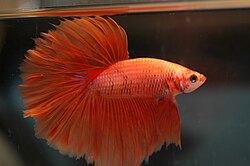
Losing color in Betta Fish can be distressing for owners, as it's often a sign of underlying health issues. This problem is typically serious and requires prompt attention. Owners should first rule out common causes such as stress, poor water quality, or dietary deficiencies before seeking professional help.
Betta Fish Losing Color: Common Causes
Poor Water Quality
Most LikelyHigh ammonia or nitrite levels can stress Betta Fish, leading to color loss.
Stress
Most LikelyAggression, overcrowding, or changes in the environment can cause stress, resulting in color fading.
Dietary Deficiencies
PossibleInadequate nutrition, especially a lack of color-enhancing foods, can lead to color loss.
Old Age
Less CommonAs Betta Fish age, color may naturally fade, though this is less common in younger fish.
Disease
Less CommonConditions like fin rot or ich can cause color loss and should be ruled out immediately.
How to Diagnose the Cause
Follow these steps in order. Stop when you identify a likely cause and move to treatment.
- Check the water parameters for ammonia, nitrite, and nitrate levels.
Use a test kit to measure these parameters.
Recommended: Water test kit - Inspect the fish for any physical signs of injury or disease.
Look for ulcers, spots, or fin damage.
- Observe the fish's behavior and diet.
Ensure the fish is not stressed and is eating well.
- Check the tank for any signs of aggression or overcrowding.
Ensure the tank setup is appropriate for a Betta Fish.
- Review the fish's diet to ensure it's balanced and includes color-enhancing foods.
Include high-quality flakes or freeze-dried foods with color enhancers.
How to Treat Betta Fish Losing Color
- Improve water quality by performing regular water changes (20-30% weekly).
Use dechlorinated water to avoid further stress.
- Remove any aggressive tankmates or overcrowding factors.
Ensure the fish has enough space and a suitable environment.
- Adjust the diet to include more color-enhancing foods and reduce stressors.
Consider using specialized Betta Fish food for color enhancement.
- If physical signs of disease are present, treat with appropriate medications.
Follow the vet's instructions for dosing and duration.
- Monitor the fish closely for any signs of improvement or worsening of the condition.
Regular observation is key to successful treatment.
How to Prevent Betta Fish Losing Color
When to See a Vet
📖 Full Care Guide
Learn everything about keeping a healthy Betta Fish — tank setup, water parameters, diet, tank mates, and disease prevention.
Betta Fish Care Guide →🔬 AI Symptom Checker
Not sure what's wrong? Describe your fish's symptoms to the FishCare AI and get an instant diagnosis.
Check Symptoms →Frequently Asked Questions
This guide was reviewed for biological accuracy and practical aquarium care guidance. Always test water parameters before treating a sick fish — poor water quality is the most common root cause. Consult an aquatic veterinarian if symptoms persist after 48 hours of correct treatment.
Sources: Merck Veterinary Manual — Aquarium Fishes · UF/IFAS Extension — Fish Health Management