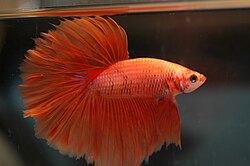
Fin rot in Betta Fish, caused by bacterial infections, is a serious condition that can lead to rapid deterioration. Immediate attention is crucial to prevent fatal outcomes. Owners should be aware of the aggressive nature of Betta Fish and ensure proper water quality to prevent this common disease.
Betta Fish Fin Rot: Common Causes
Poor Water Quality
Most LikelyHigh levels of ammonia and nitrite can lead to bacterial infections that cause fin rot.
Aggressive Tank Mates
PossibleAggressive interactions can cause physical damage to the fins, making them susceptible to bacterial infections.
Improper Diet
PossibleA lack of a balanced diet can weaken the Betta's immune system, making it more prone to infections.
Water Temperature Fluctuations
Less CommonSudden changes in water temperature can stress the Betta, compromising its immune system and making it more susceptible to infections.
Poor Water Circulation
Less CommonStagnant water can harbor harmful bacteria, increasing the risk of fin rot.
How to Diagnose the Cause
Follow these steps in order. Stop when you identify a likely cause and move to treatment.
- Observe the Betta's fins for signs of discoloration, fraying, or ragged edges.
Check for any changes in the fin texture or color.
- Test the water for ammonia, nitrite, and nitrate levels.
Use a water testing kit to ensure the water parameters are within the recommended range for Betta Fish.
Recommended: Water testing kit - Inspect the tank for signs of aggression or physical damage to the Betta's fins.
Look for signs of fighting or other fish causing harm to the Betta's fins.
- Assess the Betta's diet and overall health.
Ensure the Betta is receiving a balanced diet and is not showing signs of stress or illness.
- Monitor water temperature and circulation in the tank.
Maintain consistent water temperature and ensure proper water flow to prevent stagnation.
How to Treat Betta Fish Fin Rot
- Perform a 25% water change daily to remove harmful substances and reduce bacterial load.
Use dechlorinated water and a siphon to change the water.
- Add an antibiotic treatment to the tank water, following the manufacturer's instructions.
Use a Betta-specific antibiotic like tetracycline or metronidazole.
- Remove any aggressive tank mates or adjust the tank layout to reduce stress on the Betta.
Ensure the Betta has a safe and stress-free environment.
- Feed the Betta a balanced diet rich in vitamins and minerals to support immune function.
Use high-quality Betta food and consider adding supplements like vitamin C or garlic to the diet.
- Maintain consistent water temperature and good water circulation.
Use an aquarium heater and a filter to maintain optimal conditions in the tank.
How to Prevent Betta Fish Fin Rot
When to See a Vet
📖 Full Care Guide
Learn everything about keeping a healthy Betta Fish — tank setup, water parameters, diet, tank mates, and disease prevention.
Betta Fish Care Guide →🔬 AI Symptom Checker
Not sure what's wrong? Describe your fish's symptoms to the FishCare AI and get an instant diagnosis.
Check Symptoms →Frequently Asked Questions
This guide was reviewed for biological accuracy and practical aquarium care guidance. Always test water parameters before treating a sick fish — poor water quality is the most common root cause. Consult an aquatic veterinarian if symptoms persist after 48 hours of correct treatment.
Sources: Merck Veterinary Manual — Aquarium Fishes · UF/IFAS Extension — Fish Health Management