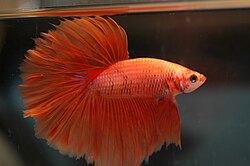
Cloudy eyes in Betta Fish can be a sign of serious health issues due to poor water quality or infections. This condition is urgent as it can lead to blindness and even death. Owners should immediately address the underlying cause to prevent further complications.
Betta Fish Cloudy Eyes: Common Causes
Poor Water Quality
Most LikelyHigh levels of ammonia, nitrite, or nitrate can irritate the eyes, leading to cloudiness.
Infection
Most LikelyBacteria or parasites can cause infections that affect the eyes, resulting in opacity.
Physical Trauma
PossibleEyes can become cloudy due to a blow or injury, often accompanied by other signs of distress.
Genetic Disorders
Less CommonSome Betta Fish may have a genetic predisposition to eye issues, which can be hereditary.
Improper Diet
Less CommonA lack of proper nutrients can weaken the eyes, making them more susceptible to issues.
How to Diagnose the Cause
Follow these steps in order. Stop when you identify a likely cause and move to treatment.
- Observe the fish's behavior and appearance
Check for other signs of illness, such as loss of appetite, clamped fins, or erratic swimming.
- Test the water parameters
Use a water testing kit to measure ammonia, nitrite, nitrate, pH, and temperature.
Recommended: Water testing kit - Inspect the tank environment
Look for any signs of disease, such as faeces, algae blooms, or dead plants.
- Observe for signs of trauma
Check for any injuries or signs of fighting that could have caused the cloudiness.
- Consider the fish's diet and overall health
Assess the fish's diet and overall condition to rule out nutritional deficiencies.
How to Treat Betta Fish Cloudy Eyes
- Improve water quality
Perform regular water changes, remove any debris, and treat the tank with an ammonia binder or nitrate remover.
- Treat for infections
Use an appropriate fish antibiotic or antiparasitic treatment as directed by a veterinarian.
- Address physical trauma
If trauma is suspected, provide a quiet environment and monitor for improvement. In severe cases, consult a vet.
- Adjust diet
Ensure a balanced diet with a variety of foods, including live, frozen, and freeze-dried options.
- Monitor and repeat treatment
Continue treatment and monitor the fish's progress. Adjust treatment as needed based on the fish's response.
How to Prevent Betta Fish Cloudy Eyes
When to See a Vet
📖 Full Care Guide
Learn everything about keeping a healthy Betta Fish — tank setup, water parameters, diet, tank mates, and disease prevention.
Betta Fish Care Guide →🔬 AI Symptom Checker
Not sure what's wrong? Describe your fish's symptoms to the FishCare AI and get an instant diagnosis.
Check Symptoms →Frequently Asked Questions
This guide was reviewed for biological accuracy and practical aquarium care guidance. Always test water parameters before treating a sick fish — poor water quality is the most common root cause. Consult an aquatic veterinarian if symptoms persist after 48 hours of correct treatment.
Sources: Merck Veterinary Manual — Aquarium Fishes · UF/IFAS Extension — Fish Health Management