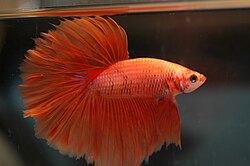
Bulging eyes, or Popeye, in Betta Fish is a serious condition often indicating an underlying health issue. It can lead to blindness and even death if not treated promptly. Owners should first understand that this condition is often a sign of stress or infection and requires immediate attention.
Betta Fish Bulging Eyes (Popeye): Common Causes
Poor Water Quality
Most LikelyHigh ammonia or nitrite levels can cause stress and lead to Popeye.
Infection
Most LikelyBacterial or parasitic infections can cause the eyes to bulge.
Malnutrition
PossibleLack of proper nutrition can weaken the immune system, making the fish more susceptible to infections.
Physical Trauma
PossibleBeing bullied or hitting the tank walls can cause eye damage.
Genetic Factors
Less CommonSome Betta Fish may be predisposed to Popeye due to genetic traits.
How to Diagnose the Cause
Follow these steps in order. Stop when you identify a likely cause and move to treatment.
- Observe the fish's behavior and appearance for other signs of illness.
Look for signs of stress, loss of appetite, or other physical symptoms.
- Test the water parameters for ammonia, nitrite, and nitrate levels.
Use a water test kit to ensure the water quality is within the optimal range for Betta Fish.
Recommended: Water test kit - Inspect the fish for any signs of injury or parasites.
Check for cuts, wounds, or parasites like ich or flukes.
- Consider the fish's diet and overall care routine.
Ensure the fish is receiving a balanced diet and is not being overfed.
- Consult with a veterinarian experienced with Betta Fish if the cause is unclear.
A vet can provide a more accurate diagnosis and treatment plan.
How to Treat Betta Fish Bulging Eyes (Popeye)
- Improve water quality by changing 25-50% of the tank water daily.
Ensure the new water is dechlorinated and at the correct temperature and pH level.
- Administer appropriate medication as directed by a veterinarian.
Follow the vet's instructions for dosage and treatment duration.
- Provide a stress-free environment by reducing tank decorations and ensuring adequate swimming space.
Avoid sudden changes in water parameters or tank layout.
- Feed a high-quality diet rich in vitamins and minerals.
Opt for a varied diet that includes live, frozen, and freeze-dried foods.
- Monitor the fish's progress and continue treatment until fully recovered.
Regularly check for any signs of improvement or worsening of the condition.
How to Prevent Betta Fish Bulging Eyes (Popeye)
When to See a Vet
📖 Full Care Guide
Learn everything about keeping a healthy Betta Fish — tank setup, water parameters, diet, tank mates, and disease prevention.
Betta Fish Care Guide →🔬 AI Symptom Checker
Not sure what's wrong? Describe your fish's symptoms to the FishCare AI and get an instant diagnosis.
Check Symptoms →Frequently Asked Questions
This guide was reviewed for biological accuracy and practical aquarium care guidance. Always test water parameters before treating a sick fish — poor water quality is the most common root cause. Consult an aquatic veterinarian if symptoms persist after 48 hours of correct treatment.
Sources: Merck Veterinary Manual — Aquarium Fishes · UF/IFAS Extension — Fish Health Management