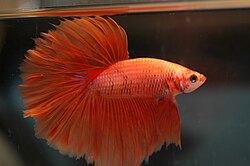
Bloated or swollen Betta Fish are often a sign of serious health issues that can be life-threatening. Understanding the potential causes is crucial as immediate action is required. The problem could be due to internal bloating, infection, or dietary imbalances. As a Betta Fish owner, you should first assess the fish's environment and diet before taking any action.
Betta Fish Bloated or Swollen: Common Causes
Internal Bloating
Most LikelyThis can be caused by overfeeding or ingestion of non-food items, leading to gas or constipation.
Bacterial Infection
Most LikelyGram-negative bacteria can cause internal abscesses or swim bladder issues, resulting in swelling.
Parasitic Infection
PossibleParasites such as Ichthyophthirius multifiliis can lead to swelling as they disrupt the fish's internal systems.
Disease
Most LikelyConditions like dropsy or swim bladder disease can cause significant swelling of the abdomen.
Environmental Stress
Less CommonChanges in water quality or temperature can cause stress-related bloating in Betta Fish.
How to Diagnose the Cause
Follow these steps in order. Stop when you identify a likely cause and move to treatment.
- Check for visible signs of bloating, such as a protruding abdomen or pinecone-like scales.
Look for abnormal swelling, especially in the abdomen area.
- Observe the fish's swimming patterns and behavior for any changes.
Bloating can lead to difficulty in swimming or loss of appetite.
- Test the water quality, including ammonia, nitrite, and nitrate levels, as well as pH.
Poor water quality can contribute to bloating and stress.
Recommended: Water test kit - Consider recent changes in diet, including new food items or changes in feeding frequency.
Overfeeding can be a common cause of bloating.
- Inspect the fish for any signs of external parasites or injuries that might have led to secondary infections.
Parasites or wounds can contribute to bloating.
How to Treat Betta Fish Bloated or Swollen
- Remove any uneaten food from the tank to prevent overfeeding and improve water quality.
- Perform a partial water change, around 25% of the tank volume, using dechlorinated water.
- Administer an antibacterial treatment as prescribed by a veterinarian if an infection is suspected.
- If parasites are detected, treat the tank with an appropriate medication, following the manufacturer's instructions.
- Monitor the fish's response to treatment and continue with supportive care, which may include fasting or specific diets recommended by a vet.
How to Prevent Betta Fish Bloated or Swollen
When to See a Vet
📖 Full Care Guide
Learn everything about keeping a healthy Betta Fish — tank setup, water parameters, diet, tank mates, and disease prevention.
Betta Fish Care Guide →🔬 AI Symptom Checker
Not sure what's wrong? Describe your fish's symptoms to the FishCare AI and get an instant diagnosis.
Check Symptoms →Frequently Asked Questions
This guide was reviewed for biological accuracy and practical aquarium care guidance. Always test water parameters before treating a sick fish — poor water quality is the most common root cause. Consult an aquatic veterinarian if symptoms persist after 48 hours of correct treatment.
Sources: Merck Veterinary Manual — Aquarium Fishes · UF/IFAS Extension — Fish Health Management