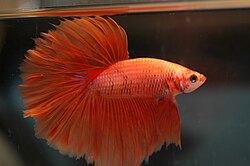
Sudden aggression in Betta Fish can stem from stress, territorial disputes, or changes in the environment. This behavior issue can be unsettling for owners, but understanding the root cause is key to effective management. Owners should first assess their fish's environment and recent changes before considering treatment.
Betta Fish Aggressive: Common Causes
Territorial Aggression
Most LikelyBetta Fish are highly territorial and may become aggressive if they perceive a threat to their territory or territory of a nesting site.
Mating Rituals
PossibleMale Betta Fish may display aggressive behavior during the breeding season as part of their mating rituals.
Stress from New Tankmates
Most LikelyAdding new tankmates can cause stress and lead to aggression if the Betta Fish perceives them as threats or competitors.
Changes in Water Parameters
PossibleAltered water quality, temperature, or pH levels can stress Betta Fish and trigger aggressive behavior.
Poor Diet
Less CommonAn unbalanced diet or lack of nutrients can lead to aggressive behavior as the fish attempts to protect its resources.
How to Diagnose the Cause
Follow these steps in order. Stop when you identify a likely cause and move to treatment.
- Observe the fish's behavior and environment over several days.
Note any recent changes, such as new tankmates or changes in water parameters.
- Check the water quality with a test kit for ammonia, nitrite, nitrate, pH, and temperature.
Ensure the water parameters are within the optimal range for Betta Fish.
Recommended: Water test kit - Inspect the tank for any visible signs of aggression, such as damaged fins or territories marked with bubbles.
This can help identify if the aggression is due to a specific tankmate or area.
- Evaluate the diet of the Betta Fish to ensure it is balanced and meets nutritional needs.
Consider consulting with a vet or specialist for dietary recommendations.
- Check for any signs of illness, as aggression can be a symptom of underlying health issues.
A vet can provide a proper diagnosis if illness is suspected.
How to Treat Betta Fish Aggressive
- Adjust the tank parameters to the optimal range for Betta Fish (pH 6.5–7.5, temperature 24–28°C).
Use a water conditioner if necessary to remove harmful substances from the water.
- Remove any aggressive tankmates or provide more space by increasing the tank size if possible.
This can help reduce stress and aggression.
- Ensure a balanced and varied diet rich in proteins and vitamins, possibly including live or frozen foods.
This can improve overall health and reduce stress-related aggression.
- Regularly perform partial water changes (25-30%) to maintain water quality.
This helps remove waste and maintain a healthy environment.
- If aggression persists, consider consulting a vet or a Betta Fish specialist for a more personalized approach to treatment.
They can provide advice on behavior modification techniques or medications if necessary.
How to Prevent Betta Fish Aggressive
When to See a Vet
📖 Full Care Guide
Learn everything about keeping a healthy Betta Fish — tank setup, water parameters, diet, tank mates, and disease prevention.
Betta Fish Care Guide →🔬 AI Symptom Checker
Not sure what's wrong? Describe your fish's symptoms to the FishCare AI and get an instant diagnosis.
Check Symptoms →Frequently Asked Questions
This guide was reviewed for biological accuracy and practical aquarium care guidance. Always test water parameters before treating a sick fish — poor water quality is the most common root cause. Consult an aquatic veterinarian if symptoms persist after 48 hours of correct treatment.
Sources: Merck Veterinary Manual — Aquarium Fishes · UF/IFAS Extension — Fish Health Management