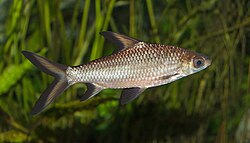
Fuzzy white growth on Bala Sharks, known as cotton-like fungal infections, is a serious health issue. It typically occurs due to stress, poor water quality, or improper husbandry. Immediate action is crucial to prevent further complications. Owners should first ensure the tank conditions are optimal and the fish is not suffering from other stressors.
Bala Shark Fuzzy Growth: Common Causes
Poor Water Quality
Most LikelyHigh levels of ammonia, nitrite, or nitrate can stress the fish, making them more susceptible to fungal infections.
Stressful Tank Conditions
Most LikelyOvercrowding, aggressive tankmates, or rapid temperature changes can stress Bala Sharks, leading to fungal outbreaks.
Imbalanced Diet
PossibleInsufficient or poor-quality food can weaken the fish's immune system, making them more prone to fungal infections.
Poor Water Circulation
PossibleInadequate water flow can lead to areas of low oxygen and poor water quality, creating a favorable environment for fungi.
External Trauma
Less CommonPhysical injuries from tank decorations or aggression can open wounds, allowing fungi to enter the fish's body.
How to Diagnose the Cause
Follow these steps in order. Stop when you identify a likely cause and move to treatment.
- Inspect the fish for any signs of injury or stress.
Look for cuts, abrasions, or signs of aggression.
- Test the water parameters for ammonia, nitrite, nitrate, pH, and temperature.
Use a water test kit to ensure the tank conditions are within the optimal range for Bala Sharks.
Recommended: Water test kit - Observe the fish's behavior and appearance for any other signs of illness.
Note changes in swimming patterns, appetite, or overall activity levels.
- Use a magnifying glass to examine the affected areas for fungal growth.
Fungal infections often appear as cotton-like or fluffy white patches.
Recommended: Magnifying glass - Consider the fish's recent history, including diet changes, tank maintenance, and introduction of new tankmates.
These factors can contribute to the development of fungal infections.
How to Treat Bala Shark Fuzzy Growth
- Improve water quality by performing regular water changes (25-30% weekly).
This will remove harmful substances and reduce stress on the fish.
- Increase the tank's aeration to ensure adequate oxygen levels.
Use an air stone or powerhead to enhance water flow and oxygenation.
- Administer an antifungal treatment such as metronidazole or a potassium permanganate dip.
Follow the manufacturer's instructions carefully and monitor the fish's response to the treatment.
- Isolate the affected fish to prevent the spread of the infection to other tankmates.
This will also allow the fish to receive more focused care.
- Ensure the fish is receiving a balanced diet rich in vitamins and minerals.
High-quality flake food or live foods can support the fish's immune system during recovery.
How to Prevent Bala Shark Fuzzy Growth
When to See a Vet
🔬 AI Symptom Checker
Not sure what's wrong? Describe your fish's symptoms to the FishCare AI and get an instant diagnosis.
Check Symptoms →Frequently Asked Questions
This guide was reviewed for biological accuracy and practical aquarium care guidance. Always test water parameters before treating a sick fish — poor water quality is the most common root cause. Consult an aquatic veterinarian if symptoms persist after 48 hours of correct treatment.
Sources: Merck Veterinary Manual — Aquarium Fishes · UF/IFAS Extension — Fish Health Management