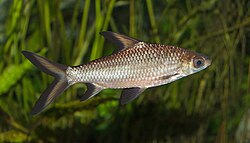
Bulging eyes, or Popeye, in Bala Sharks is a critical condition often caused by ammonia or nitrite toxicity, indicating poor water quality. Immediate attention is vital as it can lead to blindness or death. Owners must ensure optimal water parameters and address the root cause promptly.
Bala Shark Bulging Eyes (Popeye): Common Causes
Ammonia and Nitrite Toxicity
Most LikelyHigh levels of ammonia or nitrite can cause severe stress, leading to bulging eyes.
Poor Water Quality
Most LikelyInadequate filtration can result in harmful levels of ammonia and nitrite, affecting the eyes.
Infection
PossibleBacterial infections can lead to eye inflammation, contributing to the protrusion.
Physical Trauma
Less CommonAccidents can cause eye injuries, though this is less common.
Genetic Factors
Less CommonRarely, Popeye can be due to genetic predisposition, particularly in younger fish.
How to Diagnose the Cause
Follow these steps in order. Stop when you identify a likely cause and move to treatment.
- Test the water parameters for ammonia, nitrite, and nitrate using a reliable test kit.
Ensure accurate measurements of these toxic substances.
Recommended: Water quality test kit - Observe the fish's overall behavior and appearance for other signs of illness.
Look for signs of stress, such as loss of appetite or coloration changes.
- Inspect the eyes for signs of infection, such as cloudiness or redness.
Use a magnifying glass for a closer look.
Recommended: Magnifying glass - Check for signs of physical trauma around the eyes.
Look for cuts or swelling.
- Consider the age of the fish, as younger Bala Sharks may be more susceptible to genetic factors.
Take note if the fish is young and showing this symptom.
How to Treat Bala Shark Bulging Eyes (Popeye)
- Lower ammonia and nitrite levels by increasing water changes (20-30% daily).
This helps to dilute the toxins and provides relief to the fish.
- Improve water quality by maintaining optimal pH (6.0-8.0) and temperature (22-28°C).
These parameters are critical for the fish's health and stress reduction.
- If infection is present, treat with an appropriate antibiotic after consulting a vet.
Follow the vet's instructions carefully for dosage and duration.
- If physical trauma is the cause, treat any injuries and ensure the tank is safe from further accidents.
Use aqaurium salt for minor injuries, but avoid overuse.
- If genetic, provide the best care possible to manage the condition, though no cure exists.
Keep the tank clean and well-maintained to prevent other health issues.
How to Prevent Bala Shark Bulging Eyes (Popeye)
When to See a Vet
🔬 AI Symptom Checker
Not sure what's wrong? Describe your fish's symptoms to the FishCare AI and get an instant diagnosis.
Check Symptoms →Frequently Asked Questions
This guide was reviewed for biological accuracy and practical aquarium care guidance. Always test water parameters before treating a sick fish — poor water quality is the most common root cause. Consult an aquatic veterinarian if symptoms persist after 48 hours of correct treatment.
Sources: Merck Veterinary Manual — Aquarium Fishes · UF/IFAS Extension — Fish Health Management