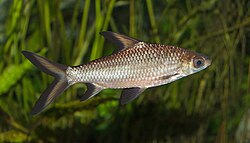
Bala Sharks, known for their peaceful nature and large size, may suddenly become aggressive if their environment or social dynamics change. This behavior is concerning as it deviates from their usual calm demeanor. Owners should first assess the tank conditions and social structure before taking action.
Bala Shark Aggressive: Common Causes
Inadequate Tank Size
Most LikelyBala Sharks require ample space to swim; overcrowding can lead to stress and aggression.
Sexual Maturity
PossibleAs Bala Sharks reach sexual maturity, their behavior can become more aggressive, especially among males.
Stress or Illness
PossibleStress from poor water quality, disease, or other health issues can cause aggression.
Poor Diet
Less CommonAn unbalanced diet can lead to behavioral issues, including aggression.
Tank Mates
Less CommonIncompatible tank mates or aggression from existing fish can provoke a Bala Shark to become aggressive.
How to Diagnose the Cause
Follow these steps in order. Stop when you identify a likely cause and move to treatment.
- Observe the tank environment for signs of stress or aggression triggers
Check for overcrowding, poor water quality, or recent changes in the tank.
- Assess the social dynamics
Observe interactions with tank mates and see if there's any aggression directed towards specific individuals.
- Check water parameters
Use a water test kit to ensure the pH and temperature are within the appropriate range for Bala Sharks.
Recommended: Water test kit - Evaluate the diet
Ensure the Bala Shark is receiving a balanced diet rich in protein and vitamins.
- Inspect the fish for signs of illness
Look for any physical symptoms like fin rot, scale loss, or discoloration.
How to Treat Bala Shark Aggressive
- Increase tank size or rearrange the tank
Provide more space for swimming or separate the aggressive fish if necessary.
- Ensure proper water quality
Maintain appropriate pH and temperature, and regularly change water to prevent ammonia and nitrite spikes.
- Adjust the diet
Feed a high-quality diet that includes a variety of protein sources and vegetables.
- Consider adding a new tank mate or rearranging existing ones
Ensure compatibility and monitor for any improvement in behavior.
- Seek veterinary care if aggression persists
A veterinarian can provide further assessment and treatment options.
How to Prevent Bala Shark Aggressive
When to See a Vet
🔬 AI Symptom Checker
Not sure what's wrong? Describe your fish's symptoms to the FishCare AI and get an instant diagnosis.
Check Symptoms →Frequently Asked Questions
This guide was reviewed for biological accuracy and practical aquarium care guidance. Always test water parameters before treating a sick fish — poor water quality is the most common root cause. Consult an aquatic veterinarian if symptoms persist after 48 hours of correct treatment.
Sources: Merck Veterinary Manual — Aquarium Fishes · UF/IFAS Extension — Fish Health Management