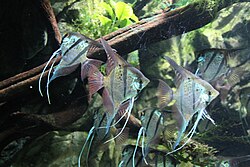
White spots on Freshwater Angelfish are a sign of Ichthyophthirius multifiliis, a highly contagious protozoan parasite. This disease can be fatal if not treated promptly. Owners should be aware of the urgency to start treatment immediately upon observation of symptoms.
Freshwater Angelfish White Spots (Ich): Common Causes
Poor Water Quality
Most LikelyAmmonia and nitrite levels can stress the fish, making them more susceptible to Ich.
New Tank Syndrome
Most LikelyNewly established tanks may lack the necessary bacterial colonies to maintain optimal water conditions.
Overcrowding
Most LikelyHigh stocking densities can lead to increased stress and the spread of parasites.
Temperature Fluctuations
PossibleSudden changes in water temperature can stress the fish and weaken their immune system.
Poor Diet
Less CommonA lack of proper nutrition can weaken the fish's immune system, making them more prone to infections.
How to Diagnose the Cause
Follow these steps in order. Stop when you identify a likely cause and move to treatment.
- Observe the fish for the presence of white spots on the body and fins.
Look for the characteristic salt-grain-like spots.
- Check the water parameters for ammonia, nitrite, and nitrate levels.
Use a test kit to ensure the water quality is within the optimal range for Freshwater Angelfish.
Recommended: Water test kit - Inspect the tank for signs of stress or aggression among the fish.
Stress can weaken the fish's immune system and contribute to the development of Ich.
- Consider the fish's history of recent changes in diet, water conditions, or tankmates.
These changes can stress the fish and lead to the onset of Ich.
- Consult with a vet specializing in aquarium fish to confirm the diagnosis.
A vet can provide additional insights and treatment options.
How to Treat Freshwater Angelfish White Spots (Ich)
- Perform a 25-30% water change to remove Ich larvae and improve water quality.
Use dechlorinated water and maintain the same temperature and pH as the tank water.
- Use a copper-based treatment specifically designed for treating Ich in freshwater fish.
Follow the manufacturer's instructions carefully to avoid copper toxicity.
- Increase the tank temperature to 28-30°C to slow down the Ich life cycle.
Do not exceed the maximum temperature for Freshwater Angelfish.
- Add a salt solution of 0.3% to the tank to help prevent Ich from attaching to the fish's body.
Use aquarium salt and avoid table salt, which can be harmful to fish.
- Continue treatment for at least 7 days after all signs of Ich have disappeared to ensure complete eradication.
Early termination of treatment can lead to a recurrence of the disease.
How to Prevent Freshwater Angelfish White Spots (Ich)
When to See a Vet
🔬 AI Symptom Checker
Not sure what's wrong? Describe your fish's symptoms to the FishCare AI and get an instant diagnosis.
Check Symptoms →Frequently Asked Questions
This guide was reviewed for biological accuracy and practical aquarium care guidance. Always test water parameters before treating a sick fish — poor water quality is the most common root cause. Consult an aquatic veterinarian if symptoms persist after 48 hours of correct treatment.
Sources: Merck Veterinary Manual — Aquarium Fishes · UF/IFAS Extension — Fish Health Management