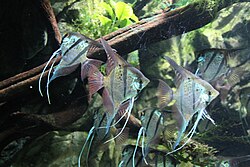
Torn or ragged fins in Freshwater Angelfish are often due to stress, poor water quality, or aggression. This condition can be serious if left untreated, as it can lead to secondary infections. Owners should first ensure the tank conditions are optimal and consider the fish's diet and social environment.
Freshwater Angelfish Torn Fins: Common Causes
Poor Water Quality
Most LikelyHigh levels of ammonia, nitrite, or nitrate can stress the fish and weaken their fins.
Aggression
Most LikelyOther fish or tankmates may be nipping at the Angelfish's fins, especially during feeding times or when they are spawning.
Poor Diet
PossibleA diet lacking in essential nutrients can lead to weakened fins and overall poor health.
External Parasites
PossibleParasites like Ich or Velvet can cause fin damage.
Genetic Factors
Less CommonIn some cases, fin issues may be genetic and not related to environmental factors.
How to Diagnose the Cause
Follow these steps in order. Stop when you identify a likely cause and move to treatment.
- Observe the fish's overall behavior and appearance.
Look for signs of stress, aggression, or other health issues.
- Check the water parameters using a test kit.
Ensure ammonia, nitrite, and nitrate levels are within the optimal range.
Recommended: Water test kit - Inspect the tank for aggressive tankmates or signs of bullying.
Identify if the problem is due to tankmate aggression.
- Evaluate the fish's diet and ensure it is balanced and varied.
Freshwater Angelfish thrive on a diet of high-quality flake food, vegetables, and live or frozen foods.
- Look for signs of external parasites.
Check for any unusual spots or growths on the fish's body or fins.
How to Treat Freshwater Angelfish Torn Fins
- Improve water quality by performing regular water changes and using a water conditioner to remove harmful substances.
Change 20-30% of the water weekly to maintain optimal conditions.
- Remove aggressive tankmates or separate the affected fish if necessary.
Ensure the fish has a safe and stress-free environment.
- Adjust the diet to include more varied and nutritious food sources.
Feeding a balanced diet can help strengthen the fins and overall health.
- Treat for external parasites if present, following the instructions on the medication.
Use appropriate treatments for parasites like Ich or Velvet, being cautious not to harm the fish or other tank inhabitants.
- Monitor the fish's progress and continue treatment until the fins have healed and the fish is no longer showing signs of stress or aggression.
Regular checks are important to ensure the problem is resolved and to prevent recurrence.
How to Prevent Freshwater Angelfish Torn Fins
When to See a Vet
🔬 AI Symptom Checker
Not sure what's wrong? Describe your fish's symptoms to the FishCare AI and get an instant diagnosis.
Check Symptoms →Frequently Asked Questions
This guide was reviewed for biological accuracy and practical aquarium care guidance. Always test water parameters before treating a sick fish — poor water quality is the most common root cause. Consult an aquatic veterinarian if symptoms persist after 48 hours of correct treatment.
Sources: Merck Veterinary Manual — Aquarium Fishes · UF/IFAS Extension — Fish Health Management