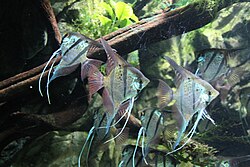
Pale or faded colors in Freshwater Angelfish can indicate stress, poor water quality, or dietary deficiencies. It is not an emergency but should be monitored closely. Owners should ensure their tank meets the species' specific needs for water parameters and diet.
Freshwater Angelfish Pale Color: Common Causes
Poor Water Quality
Most LikelyAmmonia or nitrite levels can stress angelfish, leading to color loss.
Dietary Deficiencies
Most LikelyInadequate nutrient intake can cause fading, especially if the diet lacks vitamin C and beta-carotene.
Stress
PossibleEnvironmental changes, aggression, or diseases can stress angelfish and affect their coloration.
Age
Less CommonSenior angelfish may naturally experience color fading as part of the aging process.
How to Diagnose the Cause
Follow these steps in order. Stop when you identify a likely cause and move to treatment.
- Test water parameters
Measure ammonia, nitrite, nitrate, pH, and temperature levels to ensure they are within the ideal range for angelfish.
Recommended: test kit - Inspect for external parasites
Check for any external parasites like ich or velvet, which can cause stress and color loss.
- Observe behavior
Note any changes in behavior such as aggression or listlessness, which could be contributing factors.
- Analyze diet
Assess the diet for variety and ensure it includes vitamin C and beta-carotene supplements.
- Consider environmental factors
Evaluate the tank for cleanliness, proper decor, and tankmates compatibility.
How to Treat Freshwater Angelfish Pale Color
- Improve water quality
Perform regular water changes (25% every week) and treat the tank with ammonia or nitrite removers if necessary.
- Adjust diet
Feeding a varied diet with vitamin C and beta-carotene-rich foods, such as frozen brine shrimp, bloodworms, and algae wafers.
- Reduce stress
Minimize tank disturbances and consider introducing floating plants or visual barriers to reduce aggression and stress.
- Treat parasites if present
Use appropriate treatments for parasites such as ich or velvet, following the instructions carefully.
- Monitor progress
Continuously observe the angelfish's health and response to treatments over several weeks to assess the effectiveness of the care plan.
How to Prevent Freshwater Angelfish Pale Color
When to See a Vet
🔬 AI Symptom Checker
Not sure what's wrong? Describe your fish's symptoms to the FishCare AI and get an instant diagnosis.
Check Symptoms →Frequently Asked Questions
This guide was reviewed for biological accuracy and practical aquarium care guidance. Always test water parameters before treating a sick fish — poor water quality is the most common root cause. Consult an aquatic veterinarian if symptoms persist after 48 hours of correct treatment.
Sources: Merck Veterinary Manual — Aquarium Fishes · UF/IFAS Extension — Fish Health Management