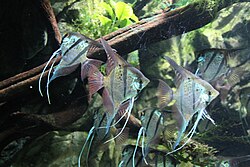
Fuzzy white growth on Freshwater Angelfish is a serious fungal infection that can rapidly spread. It often occurs due to stress, poor water quality, or improper tank maintenance. Immediate attention is crucial to prevent the spread and save the fish.
Freshwater Angelfish Fuzzy Growth: Common Causes
Poor Water Quality
Most LikelyHigh levels of ammonia or nitrite can stress the fish, making them more susceptible to fungal infections.
Improper Tank Maintenance
Most LikelyNeglecting regular water changes and cleaning the tank can lead to a buildup of harmful bacteria and fungi.
Stress
PossibleSudden changes in water temperature, aggression from tankmates, or overcrowding can stress the fish, weakening their immune system.
Inadequate Diet
PossibleA lack of a balanced diet can weaken the fish's immune system, making them more prone to fungal infections.
Poor Tank Hygiene
Less CommonUnsanitized equipment or introduction of new fish can introduce pathogens into the tank.
How to Diagnose the Cause
Follow these steps in order. Stop when you identify a likely cause and move to treatment.
- Observe the fish closely for signs of fungus, such as cotton-like growth on the body, mouth, or fins.
Check for the characteristic fuzzy white or grey growth on the fish's body.
- Test the water parameters for ammonia, nitrite, and nitrate levels.
Use a water test kit to ensure the water quality is within the optimal range for Angelfish.
Recommended: Water test kit - Inspect the tank for any signs of overcrowding or aggressive tankmates.
Ensure the tank environment is stress-free and the fish are not being bullied.
- Check the diet of the fish to ensure it is balanced and varied.
Feeding a varied diet rich in vitamins and minerals can strengthen the fish's immune system.
- Review the tank maintenance routine for any gaps in water changes or cleaning.
Regular water changes and tank cleaning are essential to prevent the buildup of harmful substances.
How to Treat Freshwater Angelfish Fuzzy Growth
- Increase the frequency of water changes to 50-70% daily to remove harmful substances.
This will help to reduce stress and improve the fish's environment.
- Use an anti-fungal treatment such as methylene blue or Maracyn II as directed by a veterinarian.
Follow the treatment instructions carefully to avoid over-treatment.
- Isolate the affected fish to prevent the spread of the infection to other tankmates.
Keep the fish in a separate, clean tank with similar water parameters.
- Reduce the feeding to once a day to minimize waste and improve water quality.
Overfeeding can lead to poor water quality and stress the fish further.
- Maintain the tank temperature within the optimal range of 24.0–28.0°C to help the fish recover.
Extreme temperature changes can stress the fish and hinder their recovery process.
How to Prevent Freshwater Angelfish Fuzzy Growth
When to See a Vet
🔬 AI Symptom Checker
Not sure what's wrong? Describe your fish's symptoms to the FishCare AI and get an instant diagnosis.
Check Symptoms →Frequently Asked Questions
This guide was reviewed for biological accuracy and practical aquarium care guidance. Always test water parameters before treating a sick fish — poor water quality is the most common root cause. Consult an aquatic veterinarian if symptoms persist after 48 hours of correct treatment.
Sources: Merck Veterinary Manual — Aquarium Fishes · UF/IFAS Extension — Fish Health Management