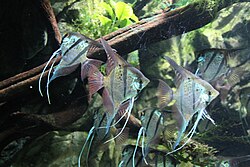
Curved or curled body in Freshwater Angelfish indicates a serious skeletal disorder. This condition can be life-threatening if not addressed promptly. It's crucial to rule out any underlying causes before initiating treatment.
Freshwater Angelfish Curled Body: Common Causes
Poor Water Quality
Most LikelyAmmonia and nitrite levels can cause deformities in young fish, leading to curved or curled bodies.
Nutritional Deficiencies
Most LikelyLack of proper nutrients, particularly vitamin D3 and calcium, can result in skeletal malformation.
Genetic Factors
PossibleIn some cases, genetic predispositions may contribute to this condition, especially in certain strains.
Injuries or Trauma
PossiblePhysical harm can disrupt bone growth and lead to deformities.
External Parasites
Less CommonInfestations with parasites can lead to stress and malnutrition, contributing to body curvature.
How to Diagnose the Cause
Follow these steps in order. Stop when you identify a likely cause and move to treatment.
- Conduct a physical examination of the fish, noting any external parasites or signs of injury.
Look for parasites such as Ich or fin rot.
Recommended: magnifying glass - Perform a water quality test to check ammonia, nitrite, and nitrate levels.
These parameters should be consistently within the optimal range.
Recommended: water test kit - Conduct a diet analysis to ensure a balanced and nutrient-rich diet.
Assess the vitamin and mineral content in their food.
Recommended: diet analysis software - Inspect the environment for potential injuries or aggressive interactions.
Look for evidence of physical trauma or bullying.
- If available, consult veterinary records for previous treatments or genetic predispositions.
Previous medical history can provide important clues.
How to Treat Freshwater Angelfish Curled Body
- Improve water quality by reducing ammonia and nitrite levels to within optimal limits. Use water treatments if necessary.
- Adjust the diet to include a higher ratio of calcium and vitamin D3, ensuring they are properly digestible.
- Isolate the affected fish to prevent further injury or bullying and to facilitate more attentive care.
- If parasitic, treat with an appropriate medication, such as formalin or fenbendazole, following the manufacturer's instructions.
How to Prevent Freshwater Angelfish Curled Body
When to See a Vet
🔬 AI Symptom Checker
Not sure what's wrong? Describe your fish's symptoms to the FishCare AI and get an instant diagnosis.
Check Symptoms →Frequently Asked Questions
This guide was reviewed for biological accuracy and practical aquarium care guidance. Always test water parameters before treating a sick fish — poor water quality is the most common root cause. Consult an aquatic veterinarian if symptoms persist after 48 hours of correct treatment.
Sources: Merck Veterinary Manual — Aquarium Fishes · UF/IFAS Extension — Fish Health Management