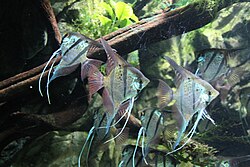
Bloated or swollen Freshwater Angelfish can indicate serious health issues, such as constipation, bloating, or internal parasites. This problem is urgent and requires immediate attention. Angelfish are sensitive to changes in water parameters and diet, which can exacerbate these issues.
Freshwater Angelfish Bloated or Swollen: Common Causes
Constipation
Most LikelyInadequate diet or overeating can lead to constipation, causing the abdomen to swell.
Bloat
Most LikelyExcess gas in the intestines can cause bloating, often due to poor diet or water quality issues.
Internal Parasites
PossibleParasites like tapeworms can cause bloating and other internal issues.
Gastrointestinal Blockage
PossibleA blockage in the gut can lead to swelling and loss of appetite.
Poor Water Quality
Less CommonHigh ammonia or nitrite levels can stress the fish and lead to bloating.
How to Diagnose the Cause
Follow these steps in order. Stop when you identify a likely cause and move to treatment.
- Observe the fish's behavior and appearance for any other signs of illness.
Look for signs of stress, loss of appetite, or changes in swimming patterns.
- Check the water parameters, including ammonia, nitrite, nitrate, pH, and temperature.
Use a reliable test kit to ensure the water is within the optimal range for Angelfish.
Recommended: Water test kit - Inspect the fish for any external parasites or wounds.
Use a magnifying glass to check for any visible parasites or injuries.
Recommended: Magnifying glass - Perform a fecal examination if possible to check for internal parasites.
This requires a microscope and specialized training.
Recommended: Microscope - Consider the fish's diet and recent changes in the aquarium environment.
Evaluate if there have been any recent changes in feeding or water conditions.
How to Treat Freshwater Angelfish Bloated or Swollen
- Improve water quality by performing frequent water changes and ensuring proper filtration.
Change 25-30% of the water every 2-3 days until symptoms improve.
- Adjust the diet to include high-fiber foods and reduce protein intake if necessary.
Use foods specifically designed for digestion issues in fish.
- Administer an appropriate medication for internal parasites if diagnosed.
Follow the vet's instructions for dosage and treatment duration.
- If a blockage is suspected, consider a gentle laxative or consult a vet for further treatment.
Never use human laxatives as they can be harmful to fish.
- Monitor the fish closely and provide a stress-free environment to promote healing.
Ensure the tank is quiet and there are no aggressive tankmates.
How to Prevent Freshwater Angelfish Bloated or Swollen
When to See a Vet
🔬 AI Symptom Checker
Not sure what's wrong? Describe your fish's symptoms to the FishCare AI and get an instant diagnosis.
Check Symptoms →Frequently Asked Questions
This guide was reviewed for biological accuracy and practical aquarium care guidance. Always test water parameters before treating a sick fish — poor water quality is the most common root cause. Consult an aquatic veterinarian if symptoms persist after 48 hours of correct treatment.
Sources: Merck Veterinary Manual — Aquarium Fishes · UF/IFAS Extension — Fish Health Management