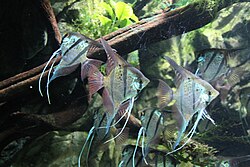
Black spots on Freshwater Angelfish can be indicative of various health issues, ranging from minor stress to more serious diseases. These spots may signify internal bacterial infections, poor water quality, or nutritional deficiencies. Immediate attention is needed to prevent the progression of the condition.
Freshwater Angelfish Black Spots: Common Causes
Poor Water Quality
Most LikelyAmmonia and nitrite levels exceeding safe thresholds can lead to black spot disease.
Bacterial Infection
PossibleStress can weaken the immune system, making angelfish susceptible to bacterial infections.
Poor Diet
PossibleLack of essential nutrients can cause stress and weaken the immune system, leading to black spots.
External Parasites
Less CommonParasites like Ich can cause spots, but this is less common in well-maintained tanks.
How to Diagnose the Cause
Follow these steps in order. Stop when you identify a likely cause and move to treatment.
- Perform a visual inspection
Observe the angelfish for spots on the body, fins, or skin.
- Check water parameters
Measure ammonia, nitrite, nitrate, pH, and temperature to ensure they are within the ideal range.
Recommended: Water test kit - Analyze the diet
Review the angelfish's diet to ensure it's balanced and meets nutritional requirements.
- Check for signs of external parasites
Look for other signs of parasites, such as scratching or loss of scales.
- Monitor behavior changes
Observe any changes in behavior that may indicate stress or discomfort.
How to Treat Freshwater Angelfish Black Spots
- Improve water quality
Perform regular water changes and maintain the ideal parameters for pH, ammonia, nitrite, nitrate, and temperature.
- Medicate if necessary
Administer an appropriate medication if a bacterial infection is confirmed.
- Adjust the diet
Ensure the angelfish is receiving a balanced diet with high-quality angelfish flakes or pellets and occasional live or frozen foods.
- Isolate the affected fish
Keep the affected angelfish in a separate tank to prevent the spread of disease to other fish.
- Provide stress relief
Reduce tank stress by minimizing aggression, providing hiding spots, and ensuring adequate space for swimming.
How to Prevent Freshwater Angelfish Black Spots
When to See a Vet
🔬 AI Symptom Checker
Not sure what's wrong? Describe your fish's symptoms to the FishCare AI and get an instant diagnosis.
Check Symptoms →Frequently Asked Questions
This guide was reviewed for biological accuracy and practical aquarium care guidance. Always test water parameters before treating a sick fish — poor water quality is the most common root cause. Consult an aquatic veterinarian if symptoms persist after 48 hours of correct treatment.
Sources: Merck Veterinary Manual — Aquarium Fishes · UF/IFAS Extension — Fish Health Management