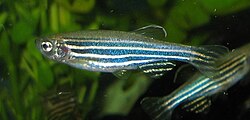
Sunken belly in Zebrafish, known as Danio rerio, is a critical condition often indicating malnutrition, internal disease, or parasites. It can lead to severe health issues or even death if not addressed promptly. Owners should first ensure the fish is kept in optimal conditions with proper diet and clean water.
Zebrafish Sunken Belly: Common Causes
Poor Diet
Most LikelyInadequate nutrition, especially lack of proteins and vitamins, can lead to sunken belly.
Internal Diseases
Most LikelyConditions like dropsy, swim bladder disease, or internal infections can cause weight loss and a sunken appearance.
Parasitic Infections
PossibleParasites such as flukes or ich can cause internal damage and lead to malabsorption of nutrients, resulting in a sunken belly.
Stress
PossibleHigh levels of stress due to aggression, water quality issues, or overcrowding can suppress appetite and lead to weight loss.
Growth Rate
Less CommonYounger Zebrafish may have a naturally sunken belly as they grow, which is not a cause for concern.
How to Diagnose the Cause
Follow these steps in order. Stop when you identify a likely cause and move to treatment.
- Observe the fish's swimming patterns and behavior to assess overall health.
Look for signs of stress or aggression, which might indicate underlying issues contributing to the sunken belly.
- Perform a visual examination of the fish for any external signs of disease or injury.
Check for any parasites or lesions on the fish's body.
- Conduct a physical examination for any internal abnormalities by gently palpating the belly area.
Be cautious as this can be stressful for the fish.
- Review the water parameters for pH, ammonia, nitrite, and nitrate levels.
Ensure the water quality is within the optimal range for Zebrafish.
Recommended: pH test kit, ammonia test kit, nitrite test kit, nitrate test kit - Consider performing a fecal examination to check for parasites or bacterial infections.
This can help identify the presence of internal parasites or diseases.
How to Treat Zebrafish Sunken Belly
- Improve the diet by feeding a high-quality diet rich in proteins and vitamins.
Ensure the food is appropriate for Zebrafish's dietary needs and that they are eating the food.
- If there is evidence of internal disease, treat with appropriate antibiotics or antiparasitic medications.
Follow the vet's instructions carefully and monitor the fish's response.
- Maintain optimal water quality, including regular water changes and proper filtration.
Keep the tank clean and monitor water parameters daily.
- Reduce stress by providing adequate space, removing aggressive tank mates, and ensuring quiet conditions.
Minimize disturbances in the tank and ensure a comfortable environment.
- Consider using stress-reducing supplements or treatments recommended by a vet.
These can help the fish recover more quickly.
How to Prevent Zebrafish Sunken Belly
When to See a Vet
🔬 AI Symptom Checker
Not sure what's wrong? Describe your fish's symptoms to the FishCare AI and get an instant diagnosis.
Check Symptoms →Frequently Asked Questions
This guide was reviewed for biological accuracy and practical aquarium care guidance. Always test water parameters before treating a sick fish — poor water quality is the most common root cause. Consult an aquatic veterinarian if symptoms persist after 48 hours of correct treatment.
Sources: Merck Veterinary Manual — Aquarium Fishes · UF/IFAS Extension — Fish Health Management