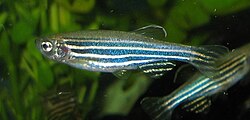
Rapid breathing in Zebrafish is a critical sign of distress, often indicating a severe underlying issue. It's vital for owners to act quickly as this behavior can lead to drowning. Owners should first ensure water quality parameters are within the optimal range for Danio rerio.
Zebrafish Rapid Breathing: Common Causes
Poor Water Quality
Most LikelyHigh ammonia or nitrite levels can overwhelm the gills, causing rapid breathing.
Temperature Stress
Most LikelyWater temperatures outside the recommended range can stress the fish, leading to increased respiration.
Infection
PossibleBacterial or parasitic infections can inflame the gills, making it harder for the fish to breathe.
Physical Trauma
Less CommonInjury to the gills or body can cause breathing difficulties.
Internal Disorders
Less CommonConditions like swim bladder issues or internal tumors can affect respiration.
How to Diagnose the Cause
Follow these steps in order. Stop when you identify a likely cause and move to treatment.
- Measure water parameters for ammonia, nitrite, nitrate, pH, and temperature.
Use a test kit to ensure all parameters are within the optimal range for Zebrafish.
Recommended: Water test kit - Observe the fish for other signs of illness such as loss of appetite, clamped fins, or cloudiness of the eyes.
These symptoms can help identify the underlying cause of rapid breathing.
- Inspect the fish for physical injuries or signs of parasites.
Gill damage or parasites can be visually identified.
- Check the tank setup for any potential hazards that could cause injury, such as sharp objects or aggressive tankmates.
A safe environment is crucial for the fish's well-being.
- Consult with a veterinarian experienced with fish health for a professional evaluation if symptoms persist or worsen.
A vet can provide further diagnostics and treatment options.
How to Treat Zebrafish Rapid Breathing
- Improve water quality by increasing water changes and ensuring proper filtration.
This can help reduce ammonia and nitrite levels that are toxic to gills.
- Stabilize water temperature within the recommended range of 18.0–26.0°C.
Temperature fluctuations can stress the fish and worsen breathing issues.
- Administer appropriate medication if an infection is present, as prescribed by a veterinarian.
Antibiotics or antiparasitic treatments may be necessary.
- Remove any objects or tankmates that could cause injury or stress to the fish.
A peaceful environment is essential for recovery.
- Provide adequate hiding spots and ensure the tank is well-decorated to reduce stress.
Stress can exacerbate breathing problems and slow recovery.
How to Prevent Zebrafish Rapid Breathing
When to See a Vet
🔬 AI Symptom Checker
Not sure what's wrong? Describe your fish's symptoms to the FishCare AI and get an instant diagnosis.
Check Symptoms →Frequently Asked Questions
This guide was reviewed for biological accuracy and practical aquarium care guidance. Always test water parameters before treating a sick fish — poor water quality is the most common root cause. Consult an aquatic veterinarian if symptoms persist after 48 hours of correct treatment.
Sources: Merck Veterinary Manual — Aquarium Fishes · UF/IFAS Extension — Fish Health Management