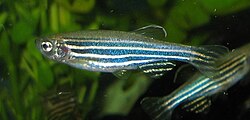
Excess mucus in Zebrafish is a serious indicator of stress or underlying health issues. This coating can be a sign of Ichthyophthirius multifiliis, also known as White Spot Disease, which is highly contagious and requires immediate treatment. It's crucial to address this promptly as it can lead to secondary infections and severe stress for the fish.
Zebrafish Mucus Coating: Common Causes
Ichthyophthirius multifiliis
Most LikelyA highly contagious protozoan that infects the gills and skin of fish, causing a thick, white mucus layer.
Poor water quality
Most LikelyAmmonia, nitrite, and nitrate levels that are too high can stress fish, leading to an increased mucus production.
Dietary deficiencies
PossibleLack of essential nutrients can cause stress and weaken the immune system, resulting in an overproduction of mucus.
Bacterial infections
PossibleConditions like columnaris or pseudomonas can lead to increased mucus production as the fish's body attempts to protect itself.
Environmental changes
Less CommonSudden changes in water temperature, pH, or water quality can stress Zebrafish, causing an increase in mucus production.
How to Diagnose the Cause
Follow these steps in order. Stop when you identify a likely cause and move to treatment.
- Inspect the fish for any signs of external parasites, such as white spots on the body.
Look for pinpoint-sized white spots on the scales or fins.
Recommended: magnifying glass - Perform a water quality test to check for ammonia, nitrite, and nitrate levels.
Use a reliable test kit to measure these parameters.
Recommended: water quality test kit - Observe the fish's behavior and appearance for any other signs of stress or illness.
Look for changes in swimming patterns, appetite, or coloration.
- Conduct a parasitological examination using a microscope if the fish is displaying signs of external parasites.
Take a sample from the mucus layer or skin刮片.
Recommended: microscope - Consider a bacterial culture if a bacterial infection is suspected, and perform a full health check-up including a physical examination and a blood test if necessary.
Consult with a vet for further diagnostic procedures.
How to Treat Zebrafish Mucus Coating
- Perform a partial water change to remove toxic substances and improve water quality.
Replace 25-30% of the tank water with dechlorinated water.
- Treat the tank with an appropriate medication as directed by a vet, such as metronidazole or malachite green for Ichthyophthirius multifiliis.
Follow the dosage and treatment schedule strictly.
- Ensure that the water temperature and pH are stable to minimize stress on the fish during treatment.
Maintain the ideal temperature of 18.0–26.0°C and pH of 6.5–7.5.
- Isolate the affected fish to prevent the spread of infection to other tank inhabitants.
Use a separate container with the same water parameters.
- Support the fish's immune system by feeding a balanced diet rich in vitamins and minerals.
Provide high-quality pellets or flake food formulated for Zebrafish.
How to Prevent Zebrafish Mucus Coating
When to See a Vet
🔬 AI Symptom Checker
Not sure what's wrong? Describe your fish's symptoms to the FishCare AI and get an instant diagnosis.
Check Symptoms →Frequently Asked Questions
This guide was reviewed for biological accuracy and practical aquarium care guidance. Always test water parameters before treating a sick fish — poor water quality is the most common root cause. Consult an aquatic veterinarian if symptoms persist after 48 hours of correct treatment.
Sources: Merck Veterinary Manual — Aquarium Fishes · UF/IFAS Extension — Fish Health Management