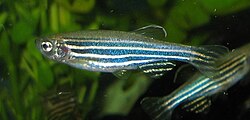
Lethargic or inactive behavior in Zebrafish can indicate a range of issues from poor water quality to disease. It's a serious matter that requires prompt attention to prevent further complications. As a beginner fish owner, understanding the potential causes and immediate steps to take is crucial for the well-being of your fish.
Zebrafish Lethargic or Inactive: Common Causes
Poor Water Quality
Most LikelyAmmonia, nitrite, and nitrate levels exceeding the recommended range can cause stress and lead to lethargy.
Malnutrition
PossibleInadequate or unbalanced diet can result in energy depletion and lack of activity.
Stress from Tank Mates
PossibleAggressive tank mates can stress the Zebrafish, leading to reduced activity.
Disease
Most LikelyParasites, bacterial infections, or other diseases can cause lethargy and inactivity.
Reproductive Cycle
Less CommonDuring breeding season, some Zebrafish may show reduced activity as they focus on reproduction.
How to Diagnose the Cause
Follow these steps in order. Stop when you identify a likely cause and move to treatment.
- Check the water parameters for ammonia, nitrite, and nitrate levels.
Use a test kit to measure these parameters.
Recommended: Water test kit - Inspect the fish for signs of injury or parasites.
Look for lesions, spots, or behavioral changes.
- Observe the diet and feeding habits of the fish.
Ensure a balanced diet is provided.
- Assess the tank environment for stress factors.
Check for overcrowding, aggressive tank mates, or poor tank maintenance.
- Monitor the fish's behavior over time to identify patterns or triggers.
Keep a daily log of the fish's activity levels.
How to Treat Zebrafish Lethargic or Inactive
- Improve water quality by performing regular water changes and ensuring proper filtration.
Change 20-30% of the water every week.
- Adjust the diet to include a variety of high-quality flake food and live or frozen foods.
Ensure a balanced nutrient intake.
- Remove aggressive tank mates or provide a separate tank for breeding if necessary.
Reduce stress from interactions.
- Consult a veterinarian if signs of disease are present, such as spots or lesions on the fish.
Medications may be required.
- Provide a comfortable environment with hiding spots and adequate swimming space.
This can help alleviate stress and encourage activity.
How to Prevent Zebrafish Lethargic or Inactive
When to See a Vet
🔬 AI Symptom Checker
Not sure what's wrong? Describe your fish's symptoms to the FishCare AI and get an instant diagnosis.
Check Symptoms →Frequently Asked Questions
This guide was reviewed for biological accuracy and practical aquarium care guidance. Always test water parameters before treating a sick fish — poor water quality is the most common root cause. Consult an aquatic veterinarian if symptoms persist after 48 hours of correct treatment.
Sources: Merck Veterinary Manual — Aquarium Fishes · UF/IFAS Extension — Fish Health Management