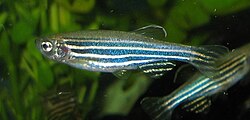
Zebrafish jumping out of the tank is a critical behavior indicating stress or discomfort. This can be due to poor water quality, inadequate tank size, or environmental stress. Immediate attention is required to prevent injury or death. Owners should first assess the water parameters and tank conditions.
Zebrafish Jumping Out of Tank: Common Causes
Poor Water Quality
Most LikelyHigh levels of ammonia, nitrite, or nitrate can stress zebrafish and lead to jumping.
Inadequate Tank Size
Most LikelyZebrafish are active and require ample space to swim. A small tank can cause stress and jumping.
Temperature Fluctuations
PossibleSudden changes in water temperature can stress zebrafish and trigger jumping.
Insufficient Oxygen
PossibleLow oxygen levels in the water can cause zebrafish to surface for air, leading to jumping.
Feeding Issues
Less CommonOverfeeding or incorrect feeding times can stress zebrafish and cause them to jump out of the tank.
How to Diagnose the Cause
Follow these steps in order. Stop when you identify a likely cause and move to treatment.
- Check the water parameters for ammonia, nitrite, nitrate, pH, and temperature.
Use a water test kit to ensure the water quality meets the requirements for Zebrafish.
Recommended: Water test kit - Observe the fish's behavior and appearance for signs of illness or injury.
Look for any visible signs of stress, such as clamped fins or bloating.
- Assess the tank size and decoration to ensure it's suitable for active swimming.
Ensure the tank is large enough and has hiding spots for the fish to feel secure.
- Check for any visible leaks or cracks in the tank that could cause sudden temperature changes.
Fix any leaks immediately to prevent temperature fluctuations.
- Review the feeding schedule and ensure it's appropriate for the fish's diet and activity level.
Feed only what the fish can consume in a few minutes to avoid overfeeding.
How to Treat Zebrafish Jumping Out of Tank
- Improve water quality by performing regular water changes and treating for ammonia, nitrite, and nitrate.
Change 25-30% of the water weekly and use an ammonia and nitrite remover if necessary.
- Increase the tank size if the current one is too small for the number of fish or their activity level.
Ensure the tank is at least 10 gallons per fish and has enough space for swimming and resting areas.
- Stabilize water temperature and avoid rapid changes. Use a reliable heater and thermometer.
Maintain a consistent temperature within the recommended range of 18.0–26.0°C.
- Ensure the tank has adequate aeration and oxygen levels. Use an air stone or powerhead if necessary.
Oxygen is crucial for the health of Zebrafish, especially during active swimming periods.
- Adjust the feeding schedule to avoid overfeeding and ensure the fish receive a balanced diet.
Feed a varied diet of high-quality flake food, frozen, or live foods, and remove any uneaten food after feeding time.
How to Prevent Zebrafish Jumping Out of Tank
When to See a Vet
🔬 AI Symptom Checker
Not sure what's wrong? Describe your fish's symptoms to the FishCare AI and get an instant diagnosis.
Check Symptoms →Frequently Asked Questions
This guide was reviewed for biological accuracy and practical aquarium care guidance. Always test water parameters before treating a sick fish — poor water quality is the most common root cause. Consult an aquatic veterinarian if symptoms persist after 48 hours of correct treatment.
Sources: Merck Veterinary Manual — Aquarium Fishes · UF/IFAS Extension — Fish Health Management