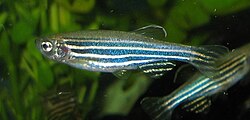
Curved or curled bodies in Zebrafish often indicate serious health issues, such as columnaris disease or malnutrition. This problem can lead to swimming difficulties and even death. Owners should be aware of the urgency to address this promptly.
Zebrafish Curled Body: Common Causes
Columnaris Disease
Most LikelyAn infectious disease caused by the bacterium Flexibacter columnaris. It affects the fish's spine and can lead to curvature.
Poor Water Quality
PossibleHigh levels of ammonia or nitrite can cause stress, leading to spinal deformities.
Malnutrition
PossibleDeficiencies in specific nutrients, particularly calcium and vitamin D, can lead to skeletal deformities.
Genetic Factors
Less CommonIn some cases, genetic predisposition may contribute to the development of curved or curled bodies.
Stress
Less CommonChronic stress can weaken the fish's immune system and lead to various health issues, including curved bodies.
How to Diagnose the Cause
Follow these steps in order. Stop when you identify a likely cause and move to treatment.
- Examine the fish for other signs of illness such as red streaks, ulcers, or clamped fins.
Look for secondary infections or signs of distress.
- Check the water parameters for ammonia, nitrite, nitrate, pH, and temperature.
Poor water quality can indicate a need for water changes or filtration system adjustments.
Recommended: pH test kit - Review the diet and ensure it is balanced with a variety of foods rich in calcium and vitamin D.
Improper nutrition can lead to skeletal issues.
- Observe the behavior of the fish to determine if it is swimming with difficulty or showing signs of stress.
Swimming difficulties can be a result of the curved body.
- Consult a veterinary specialist for further testing if the problem persists.
Specialist advice may be necessary for accurate diagnosis.
How to Treat Zebrafish Curled Body
- Improve water quality by performing frequent water changes and ensuring proper filtration.
Water parameters should be maintained within the optimal range for Zebrafish.
- Administer appropriate medications if a bacterial infection is confirmed, such as columnaris disease.
Follow the vet's instructions for dosage and treatment duration.
- Adjust the diet to include a balanced mix of foods rich in calcium, vitamin D, and other essential nutrients.
Consider using supplements or a specialized diet recommended by a vet.
- Reduce stress by minimizing tank disturbances and providing hiding spots in the tank.
A calm environment can aid in recovery and prevent recurrence.
- Monitor the fish closely for signs of improvement or worsening health to adjust treatment accordingly.
Regular observation is crucial for successful recovery and prevention of long-term health issues.
How to Prevent Zebrafish Curled Body
When to See a Vet
🔬 AI Symptom Checker
Not sure what's wrong? Describe your fish's symptoms to the FishCare AI and get an instant diagnosis.
Check Symptoms →Frequently Asked Questions
This guide was reviewed for biological accuracy and practical aquarium care guidance. Always test water parameters before treating a sick fish — poor water quality is the most common root cause. Consult an aquatic veterinarian if symptoms persist after 48 hours of correct treatment.
Sources: Merck Veterinary Manual — Aquarium Fishes · UF/IFAS Extension — Fish Health Management