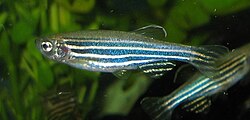
Zebrafish may exhibit sudden aggression due to territorial disputes, stress, or changes in water parameters. This behavior is concerning but often reversible with proper care. Owners should first rule out simple causes like overcrowding or improper water conditions.
Zebrafish Aggressive: Common Causes
Territorial Disputes
Most LikelyNew additions to the tank can provoke aggression due to space competition.
Stress
PossibleHigh ammonia levels, sudden changes in water temperature, or loud noises can stress the fish.
Poor Diet
PossibleInsufficient nutrition can lead to aggressive behavior as the fish competes for food.
Illness
Less CommonDiseases like fin rot or ich can cause pain and aggression.
Maturity
Less CommonMale Zebrafish may become more aggressive during the breeding season.
How to Diagnose the Cause
Follow these steps in order. Stop when you identify a likely cause and move to treatment.
- Monitor water parameters for ammonia, nitrite, and nitrate levels using a test kit.
Ensure levels are within the recommended range.
Recommended: Water test kit - Check for signs of disease, such as fin erosion or spots on the body.
Inspect all fish for any visible signs of illness.
- Observe tank mates and consider if overcrowding is an issue.
Ensure the tank size is appropriate for the number of fish.
- Assess recent changes in the tank or home environment.
Identify any recent additions or disturbances that might have caused stress.
- Evaluate the diet and ensure it's balanced and varied.
Check if the diet meets the nutritional needs of the fish.
How to Treat Zebrafish Aggressive
- Improve water quality by performing regular water changes and treating ammonia or nitrite spikes if present.
Water changes should be around 20-30% per week.
- Isolate the aggressive fish temporarily to prevent further injuries and reduce stress.
This can help the fish calm down and may also reveal underlying health issues.
- Ensure a balanced and varied diet rich in protein and omega-3 fatty acids.
Feeding high-quality pellets or live food can help satisfy their nutritional needs.
- Remove any triggers for stress, such as loud noises or sudden changes in tank decor.
Create a stable and quiet environment for the fish.
- If aggression persists, consult a vet for a professional assessment and treatment.
Persistent aggression may indicate a deeper health issue that requires veterinary care.
How to Prevent Zebrafish Aggressive
When to See a Vet
🔬 AI Symptom Checker
Not sure what's wrong? Describe your fish's symptoms to the FishCare AI and get an instant diagnosis.
Check Symptoms →Frequently Asked Questions
This guide was reviewed for biological accuracy and practical aquarium care guidance. Always test water parameters before treating a sick fish — poor water quality is the most common root cause. Consult an aquatic veterinarian if symptoms persist after 48 hours of correct treatment.
Sources: Merck Veterinary Manual — Aquarium Fishes · UF/IFAS Extension — Fish Health Management