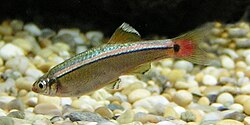
Red streaks on White Cloud Mountain Minnows are often indicative of a serious condition, such as ich or bacterial infections, which can be fatal if not treated promptly. As a hardy cold-water species, they are sensitive to rapid changes in water parameters and stress. Owners should be vigilant and act quickly to identify the cause and initiate treatment.
White Cloud Mountain Minnow Red Streaks on Body: Common Causes
Ich (Ichthyophthirius multifiliis)
Most LikelyIch is a highly contagious protozoan that causes red streaks and spots on the fish's body and fins.
Bacterial Infections
Most LikelyBacteria like Aeromonas or Pseudomonas can cause red streaks, often due to poor water quality or stress.
Amoebic Disease
PossibleAmoebic infections can lead to red streaks and are often associated with low pH levels and poor water quality.
External Parasites
Less CommonParasites like anchor worms or leeches can cause red streaks and are typically more visible on the fins.
Toxicity
Less CommonExposure to toxic substances, such as copper or ammonia, can cause red streaks and internal bleeding.
How to Diagnose the Cause
Follow these steps in order. Stop when you identify a likely cause and move to treatment.
- Observe the fish's behavior and appearance closely.
Look for signs of stress, loss of appetite, or aggression, as well as the presence of red streaks.
- Check the water parameters using a reliable test kit.
Ensure the pH, ammonia, nitrite, and nitrate levels are within the optimal range for White Cloud Mountain Minnows.
Recommended: Water test kit - Inspect the fish for external parasites or signs of internal bleeding.
Use a magnifying glass to look for parasites or red streaks under the skin.
Recommended: Magnifying glass - Observe the fish's diet and overall health history.
Consider any recent changes in diet or environment that might have stressed the fish.
- Consult a vet specializing in fish health for a definitive diagnosis.
If the cause is unclear, a vet can perform further tests to identify the problem.
How to Treat White Cloud Mountain Minnow Red Streaks on Body
- Increase the water flow to reduce stress and improve oxygenation.
Use a gentle water flow to avoid further stress on the fish.
- Perform a 50% water change using dechlorinated water.
This will help to remove toxins and improve water quality.
- Administer appropriate medication based on the diagnosis.
Follow the vet's instructions for medication dosage and treatment duration.
- Isolate the affected fish to prevent the spread of infection to other tank inhabitants.
Use a separate tank with similar water parameters.
- Monitor the fish's response to treatment and adjust the treatment plan as necessary.
Observe for signs of improvement or worsening of the condition.
How to Prevent White Cloud Mountain Minnow Red Streaks on Body
When to See a Vet
🔬 AI Symptom Checker
Not sure what's wrong? Describe your fish's symptoms to the FishCare AI and get an instant diagnosis.
Check Symptoms →Frequently Asked Questions
This guide was reviewed for biological accuracy and practical aquarium care guidance. Always test water parameters before treating a sick fish — poor water quality is the most common root cause. Consult an aquatic veterinarian if symptoms persist after 48 hours of correct treatment.
Sources: Merck Veterinary Manual — Aquarium Fishes · UF/IFAS Extension — Fish Health Management