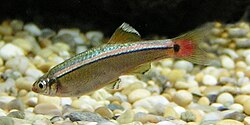
Excess mucus coating in White Cloud Mountain Minnows is a critical sign of stress or infection, often leading to severe health issues. It is urgent to address as it can be indicative of a serious underlying condition. Owners should immediately assess the water quality, diet, and tank conditions.
White Cloud Mountain Minnow Mucus Coating: Common Causes
Poor Water Quality
Most LikelyHigh ammonia or nitrite levels can stress the fish and lead to mucus production.
Temperature Fluctuations
Most LikelyFluctuations outside the optimal range of 16–22°C can stress the fish and trigger mucus formation.
Dietary Issues
PossibleInadequate diet or overfeeding can cause internal stress and lead to excessive mucus production.
Bacterial Infections
PossibleBacterial infections, such as Columnaris, can cause a thick mucus coating and are highly contagious.
Parasitic Infections
Less CommonParasites like Ichthyophthirius multifiliis can cause a visible mucus layer on the fish's body.
How to Diagnose the Cause
Follow these steps in order. Stop when you identify a likely cause and move to treatment.
- Check the water parameters for ammonia, nitrite, nitrate, pH, and temperature.
Use a water test kit to ensure the water quality is within the optimal range for White Cloud Mountain Minnows.
Recommended: Water test kit - Inspect the fish for signs of injury or parasites.
Look for any wounds, fin rot, or external parasites that might be causing stress or infection.
- Assess the diet and feeding routine.
Ensure the fish is receiving a balanced diet and is not being overfed.
- Observe the fish's behavior and overall health.
Notice any changes in swimming patterns, appetite, or other signs of distress.
- Consult a vet for a professional opinion if the cause remains unclear.
A vet can provide a more accurate diagnosis and recommend appropriate treatment.
How to Treat White Cloud Mountain Minnow Mucus Coating
- Improve water quality by performing regular water changes and using a water conditioner to remove harmful substances.
Change 20-30% of the tank water every other day until water parameters are stable.
- Maintain a consistent temperature and pH within the optimal range.
Use a reliable aquarium heater and pH buffer to keep the conditions stable.
- Adjust the diet to ensure it is balanced and appropriate for the fish's needs.
Feed high-quality, varied food and avoid overfeeding.
- Treat for bacterial infections with an appropriate antibiotic, if diagnosed by a vet.
Follow the vet's instructions for dosage and treatment duration.
- Treat for parasitic infections with an appropriate medication, if diagnosed by a vet.
Follow the vet's instructions for dosage and treatment duration.
How to Prevent White Cloud Mountain Minnow Mucus Coating
When to See a Vet
🔬 AI Symptom Checker
Not sure what's wrong? Describe your fish's symptoms to the FishCare AI and get an instant diagnosis.
Check Symptoms →Frequently Asked Questions
This guide was reviewed for biological accuracy and practical aquarium care guidance. Always test water parameters before treating a sick fish — poor water quality is the most common root cause. Consult an aquatic veterinarian if symptoms persist after 48 hours of correct treatment.
Sources: Merck Veterinary Manual — Aquarium Fishes · UF/IFAS Extension — Fish Health Management