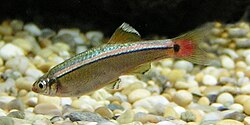
Missing scales in White Cloud Mountain Minnows can indicate a variety of issues, ranging from mild to serious. These fish are sensitive to water quality and stress, and the condition can worsen rapidly if not addressed. It is crucial to act quickly, monitor water parameters, and provide appropriate care.
White Cloud Mountain Minnow Missing Scales: Common Causes
Poor Water Quality
Most LikelyAmmonia or nitrite spikes, high nitrate levels, and inappropriate pH can lead to scale loss.
Disease
PossibleIch, fin rot, and bacterial infections can cause scales to fall off, particularly in stressed fish.
Malnutrition
Less CommonA lack of proper nutrition can weaken the fish's immune system, making it more susceptible to scale loss.
How to Diagnose the Cause
Follow these steps in order. Stop when you identify a likely cause and move to treatment.
- Perform a full water test
Check for ammonia, nitrite, nitrate, and pH levels to assess water quality.
Recommended: test kit - Inspect the fish for external parasites
Use a magnifying glass to look for ich or other parasites on the skin.
Recommended: magnifying glass - Examine the fish's diet
Ensure a well-balanced diet with sufficient vitamins and minerals is being provided.
How to Treat White Cloud Mountain Minnow Missing Scales
- Adjust water parameters if necessary
Perform water changes to lower nitrate levels and adjust pH if out of range.
- Implement a quarantine
Isolate the affected fish to prevent the spread of disease to other tank inhabitants.
- Treat with appropriate medication
Administer fish-safe medications according to the directions for the specific disease or condition observed.
How to Prevent White Cloud Mountain Minnow Missing Scales
When to See a Vet
🔬 AI Symptom Checker
Not sure what's wrong? Describe your fish's symptoms to the FishCare AI and get an instant diagnosis.
Check Symptoms →Frequently Asked Questions
This guide was reviewed for biological accuracy and practical aquarium care guidance. Always test water parameters before treating a sick fish — poor water quality is the most common root cause. Consult an aquatic veterinarian if symptoms persist after 48 hours of correct treatment.
Sources: Merck Veterinary Manual — Aquarium Fishes · UF/IFAS Extension — Fish Health Management