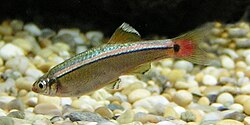
White Cloud Mountain Minnows, known for their cold-water preference, often gasp at the surface due to low oxygen levels or gill damage, a critical issue that requires immediate attention. This behavior is an emergency, indicating potential stress or health complications. Owners must act swiftly to prevent further harm.
White Cloud Mountain Minnow Gasping at Surface: Common Causes
Low Oxygen Levels
Most LikelyInadequate aeration or high ammonia/nitrite levels can deplete oxygen in the water.
Poor Water Quality
Most LikelyContaminants, high nitrates, or pH imbalances can stress the fish and impair gill function.
Gill Damage
Most LikelyPhysical injury, parasites, or bacterial infections can damage gills, leading to difficulty breathing.
Temperature Stress
PossibleFluctuations in water temperature outside the minnow's optimal range can cause stress and breathing difficulties.
Poor Diet
Less CommonInsufficiently nutritious food can weaken the fish's immune system, making it more susceptible to stress and health issues.
How to Diagnose the Cause
Follow these steps in order. Stop when you identify a likely cause and move to treatment.
- Measure the pH and ammonia/nitrite/nitrate levels in the water using a test kit.
Immediate water quality assessment is crucial.
Recommended: Water quality test kit - Check the water temperature with a thermometer to ensure it's within the optimal range of 16–22°C.
Temperature fluctuations can be a significant stressor.
Recommended: Thermometer - Inspect the fish for signs of injury, parasites, or bacterial infections, such as spots or lesions on the gills.
Visual examination can reveal underlying issues.
- Evaluate the fish's diet to ensure it's balanced and suitable for its nutritional needs.
A poor diet can weaken the immune system and lead to health problems.
- Review the aquarium setup for proper aeration and water flow.
Inadequate aeration can lead to low oxygen levels.
How to Treat White Cloud Mountain Minnow Gasping at Surface
- Increase aeration and water flow in the tank to improve oxygen levels.
Use an air stone or powerhead to ensure proper water movement.
- Perform a 25-50% water change using dechlorinated water to remove toxins and improve water quality.
This helps to reduce ammonia, nitrite, and nitrate levels.
- Administer a course of antibacterial or antiparasitic medication if a specific infection is identified.
Follow the instructions on the medication and consult with a vet for dosages.
- Stabilize water temperature by gradually adjusting it back to the optimal range of 16–22°C.
Avoid rapid temperature changes to prevent stress.
- Improve the fish's diet by providing high-quality, balanced food suitable for cold-water species.
Ensure the diet meets the nutritional requirements of White Cloud Mountain Minnows.
How to Prevent White Cloud Mountain Minnow Gasping at Surface
When to See a Vet
🔬 AI Symptom Checker
Not sure what's wrong? Describe your fish's symptoms to the FishCare AI and get an instant diagnosis.
Check Symptoms →Frequently Asked Questions
This guide was reviewed for biological accuracy and practical aquarium care guidance. Always test water parameters before treating a sick fish — poor water quality is the most common root cause. Consult an aquatic veterinarian if symptoms persist after 48 hours of correct treatment.
Sources: Merck Veterinary Manual — Aquarium Fishes · UF/IFAS Extension — Fish Health Management