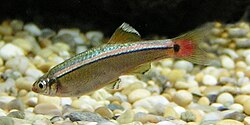
Floating at the surface in White Cloud Mountain Minnows is a critical sign indicating a severe health issue. This behavior can be life-threatening if not addressed promptly. Owners should first ensure the water parameters are within the optimal range for this species, as imbalances can lead to stress and illness.
White Cloud Mountain Minnow Floating at Surface: Common Causes
Poor Water Quality
Most LikelyHigh ammonia or nitrite levels can cause stress and prevent the fish from diving to the bottom.
Gastrointestinal Blockage
PossibleIngestion of foreign objects or overeating can lead to blockages, causing the fish to float at the surface.
Respiratory Disease
Most LikelyConditions like swim bladder disease or infections can impair the fish's ability to breathe normally, leading to surface floating.
Stress
PossibleSudden changes in water parameters, overcrowding, or aggression can stress the fish, causing it to float at the surface.
Metabolic Disorders
Less CommonConditions like dropsy or kidney disease can affect the fish's overall health, leading to surface floating.
How to Diagnose the Cause
Follow these steps in order. Stop when you identify a likely cause and move to treatment.
- Check the water parameters for ammonia, nitrite, nitrate, pH, and temperature.
Use a reliable test kit to ensure the water is within the optimal range for White Cloud Mountain Minnows.
Recommended: Water test kit - Observe the fish's behavior and appearance for any other signs of illness.
Look for signs of bloating, fin damage, or other symptoms that may indicate a specific disease.
- Inspect the fish's mouth and gills for signs of infection or parasites.
Use a magnifying glass to check for any abnormalities.
Recommended: Magnifying glass - Consider the fish's diet and recent changes in its environment.
Ensure the diet is appropriate and that there have been no recent changes that could stress the fish.
- Consult a veterinary reference specific to White Cloud Mountain Minnows for further guidance.
This can help identify less common causes or specific treatments.
Recommended: Veterinary reference book
How to Treat White Cloud Mountain Minnow Floating at Surface
- Improve water quality by performing regular water changes and treating for ammonia and nitrite if present.
Replace 20-30% of the water daily until parameters are stable.
- Feed a balanced diet and consider fasting the fish for 24 hours to prevent further blockages.
Ensure the diet is rich in protein and low in fiber to aid digestion.
- Administer appropriate medications as directed by a veterinarian, such as antibiotics or antiparasitic treatments.
Follow the dosage and treatment duration strictly.
- Create a stress-free environment by reducing aggression and overcrowding, and maintaining consistent water parameters.
Provide hiding spots and ensure the tank is well-maintained.
- Monitor the fish's progress closely and continue treatment until symptoms resolve.
Adjust the treatment plan as needed based on the fish's response to treatment.
How to Prevent White Cloud Mountain Minnow Floating at Surface
When to See a Vet
🔬 AI Symptom Checker
Not sure what's wrong? Describe your fish's symptoms to the FishCare AI and get an instant diagnosis.
Check Symptoms →Frequently Asked Questions
This guide was reviewed for biological accuracy and practical aquarium care guidance. Always test water parameters before treating a sick fish — poor water quality is the most common root cause. Consult an aquatic veterinarian if symptoms persist after 48 hours of correct treatment.
Sources: Merck Veterinary Manual — Aquarium Fishes · UF/IFAS Extension — Fish Health Management