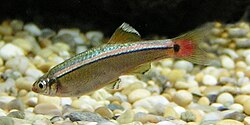
Fin rot in White Cloud Mountain Minnows (Tanichthys albonubes) is a serious condition caused by bacterial infections, often exacerbated by poor water quality and stress. It can lead to severe health issues if not treated promptly. Owners should be aware that early intervention is crucial to prevent the spread and potential death of the affected fish.
White Cloud Mountain Minnow Fin Rot: Common Causes
Poor Water Quality
Most LikelyHigh levels of ammonia or nitrite can stress the fish and weaken their immune system, making them susceptible to fin rot.
Overcrowding
PossibleCrowded tanks can lead to increased aggression and stress, which can contribute to the development of fin rot.
Poor Diet
PossibleA diet lacking in essential nutrients can weaken the fish's immune system, making them more prone to infections like fin rot.
Physical Injury
Less CommonInjuries from tank ornaments or other fish can introduce bacteria into the bloodstream, leading to fin rot.
Water Temperature Fluctuations
Less CommonFluctuations in water temperature can stress the fish and compromise their immune response, making them more vulnerable to fin rot.
How to Diagnose the Cause
Follow these steps in order. Stop when you identify a likely cause and move to treatment.
- Observe the fish's fins for signs of deterioration, discoloration, or ragged edges.
Check for the characteristic appearance of the fins to confirm the presence of fin rot.
- Perform a water test to check for ammonia, nitrite, and nitrate levels.
High levels of these parameters can indicate poor water quality and contribute to fin rot.
Recommended: Water test kit - Inspect the tank for signs of injury or aggression.
Physical damage or stress can lead to secondary infections, including fin rot.
- Consider the fish's diet and water temperature conditions.
Ensure that the fish's diet is balanced and that the water temperature is within the recommended range.
- Consult a veterinarian specializing in fish health for a definitive diagnosis and treatment plan.
A vet can provide additional tests and guidance for managing the condition.
How to Treat White Cloud Mountain Minnow Fin Rot
- Improve water quality by performing regular water changes and maintaining appropriate ammonia, nitrite, and nitrate levels.
Water changes should be done every 2-3 days, removing at least 25-30% of the water.
- Treat the tank with an antibacterial medication, following the manufacturer's instructions.
Use a medication specifically formulated for fin rot, such as a copper-based treatment or a broad-spectrum antibiotic.
- Ensure the fish is not stressed by providing hiding spots and reducing aggression in the tank.
Stress can weaken the fish's immune system, making it more difficult to fight off the infection.
- Adjust the fish's diet to include high-quality, easily digestible foods rich in vitamins and minerals.
Feeding a balanced diet can support the fish's immune system and aid in recovery.
- Monitor the fish's progress and continue treatment until the fin rot has completely resolved.
Fin rot can be persistent, so it's important to follow through with treatment until the fish has fully recovered.
How to Prevent White Cloud Mountain Minnow Fin Rot
When to See a Vet
🔬 AI Symptom Checker
Not sure what's wrong? Describe your fish's symptoms to the FishCare AI and get an instant diagnosis.
Check Symptoms →Frequently Asked Questions
This guide was reviewed for biological accuracy and practical aquarium care guidance. Always test water parameters before treating a sick fish — poor water quality is the most common root cause. Consult an aquatic veterinarian if symptoms persist after 48 hours of correct treatment.
Sources: Merck Veterinary Manual — Aquarium Fishes · UF/IFAS Extension — Fish Health Management