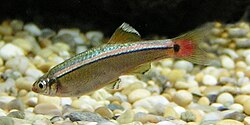
Coughing or spitting in White Cloud Mountain Minnows, often a behavioral symptom, can be a sign of various issues ranging from simple to serious. It indicates possible stress, poor water quality, or underlying health conditions. Owners should first ensure the fish's water conditions are optimal before pursuing further actions.
White Cloud Mountain Minnow Coughing or Spitting: Common Causes
Poor Water Quality
Most LikelyHigh ammonia or nitrite levels can cause stress and respiratory issues.
Parasites
PossibleIch and other parasites can lead to respiratory distress, prompting coughing and spitting.
Internal Issues
PossibleConditions like swim bladder disorders or internal infections can cause coughing or spitting as the fish struggles to breathe.
Stress
PossibleOvercrowding, aggressive tankmates, or sudden changes in water parameters can cause stress-related coughing.
Dietary Issues
Less CommonOverfeeding, incorrect diet, or a lack of necessary nutrients can cause digestive discomfort and coughing.
How to Diagnose the Cause
Follow these steps in order. Stop when you identify a likely cause and move to treatment.
- Check the fish's water parameters for ammonia, nitrite, and nitrate levels.
Use an ammonia and nitrite test kit. Levels should be 0 for ammonia and nitrite, and < 20ppm for nitrate.
Recommended: Ammonia and nitrite test kit - Inspect the fish for external parasites or signs of internal distress, such as bloating or color changes.
Look for ich spots, cotton-like parasites, or any unusual physical signs.
- Observe the fish's behavior and swimming patterns for any signs of stress or disease.
Note if the fish is swimming in tight circles, gasping at the surface, or exhibiting other abnormal behaviors.
- Review the fish's diet and ensure it is balanced and appropriate for its nutritional needs.
White Clouds thrive on a varied diet of flake food, live or frozen brine shrimp, and daphnia.
- Consider the tank environment, including tankmates, decor, and water flow, for stress factors.
Ensure the tank is spacious and that tankmates are compatible with the White Cloud's gentle nature.
How to Treat White Cloud Mountain Minnow Coughing or Spitting
- Improve water quality by performing regular water changes (20-30% every 1-2 weeks).
Ensure new water is dechlorinated before adding it to the tank.
- If parasites are present, treat the tank with a suitable medication following the instructions provided.
Ich can often be treated with a copper-based medication, but be cautious as copper is toxic to many species.
- Adjust the diet to include more easily digestible foods and reduce feeding frequency if necessary.
Ensure the fish has access to high-quality, sinking foods to prevent overeating.
- Reduce stress by ensuring proper tank size, providing adequate hiding spots, and minimizing aggressive tankmates.
Create a stress-free environment to promote healing and prevent further stress-related issues.
- Monitor the fish's response to the changes and continue treatment until symptoms subside.
If symptoms worsen or do not improve, seek veterinary assistance immediately.
How to Prevent White Cloud Mountain Minnow Coughing or Spitting
When to See a Vet
🔬 AI Symptom Checker
Not sure what's wrong? Describe your fish's symptoms to the FishCare AI and get an instant diagnosis.
Check Symptoms →Frequently Asked Questions
This guide was reviewed for biological accuracy and practical aquarium care guidance. Always test water parameters before treating a sick fish — poor water quality is the most common root cause. Consult an aquatic veterinarian if symptoms persist after 48 hours of correct treatment.
Sources: Merck Veterinary Manual — Aquarium Fishes · UF/IFAS Extension — Fish Health Management