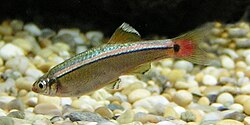
Black spots on White Cloud Mountain Minnows can indicate a range of issues, from minor stress to serious disease. These spots may appear due to poor water quality, inadequate diet, or parasites. It's important to monitor the fish's behavior and overall health closely.
White Cloud Mountain Minnow Black Spots: Common Causes
Poor Water Quality
Most LikelyAmmonia and nitrite levels exceeding 0.25 mg/L can stress the fish and cause black spots.
Dietary Deficiencies
Most LikelyLack of necessary nutrients, particularly vitamins and minerals, can lead to weakened immune systems and black spot formation.
Parasites
PossibleExternal parasites like ichthyophthirius can cause spots as they feed on the fish's skin and fins.
Bacterial Infections
PossibleBacteria such as columnaris can cause black spots, especially if the fish is already stressed or has a weakened immune system.
Genetic Factors
Less CommonSome White Cloud Mountain Minnows may develop black spots naturally, possibly due to genetic predisposition.
How to Diagnose the Cause
Follow these steps in order. Stop when you identify a likely cause and move to treatment.
- Observe the fish's overall behavior and appearance.
Look for signs of stress, aggression, or changes in swimming patterns.
- Check the water parameters for ammonia, nitrite, and nitrate levels.
Use a water test kit to measure these parameters and ensure they are within the optimal range for White Cloud Mountain Minnows.
Recommended: Water test kit - Inspect the fish for signs of parasites or bacterial infections.
Look for any external parasites like white spots or cotton-like growths. Bacterial infections may cause ulcers or discoloration on the fins.
- Assess the fish's diet and feeding schedule.
Ensure the fish is receiving a balanced diet with the appropriate nutrients.
- Review the fish's environment for potential stressors.
Check for overcrowding, aggressive tank mates, or sudden changes in water temperature or quality.
How to Treat White Cloud Mountain Minnow Black Spots
- Improve water quality by regular water changes and using a water conditioner.
Change 20-30% of the water weekly and ensure the water is dechlorinated.
- Adjust the diet to include a variety of high-quality foods rich in vitamins and minerals.
Feeding freeze-dried or freeze-thawed foods can provide essential nutrients.
- Treat for parasites with a suitable medication following manufacturer instructions.
Follow the treatment schedule to ensure the parasites are completely eradicated.
- Treat bacterial infections with an appropriate medication.
Ensure the medication is suitable for White Cloud Mountain Minnows and is used as directed.
- Remove any potential stressors from the fish's environment.
Ensure the tank is spacious and the tank mates are compatible.
How to Prevent White Cloud Mountain Minnow Black Spots
When to See a Vet
🔬 AI Symptom Checker
Not sure what's wrong? Describe your fish's symptoms to the FishCare AI and get an instant diagnosis.
Check Symptoms →Frequently Asked Questions
This guide was reviewed for biological accuracy and practical aquarium care guidance. Always test water parameters before treating a sick fish — poor water quality is the most common root cause. Consult an aquatic veterinarian if symptoms persist after 48 hours of correct treatment.
Sources: Merck Veterinary Manual — Aquarium Fishes · UF/IFAS Extension — Fish Health Management