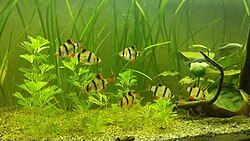
Torn or ragged fins in Tiger Barbs often indicate stress, poor water quality, or diet issues. These issues can lead to secondary infections, so prompt attention is crucial. As a beginner-friendly species, understanding the underlying causes and implementing appropriate care is essential.
Tiger Barb Torn Fins: Common Causes
Poor Water Quality
Most LikelyHigh ammonia or nitrite levels can stress the fish, leading to fin damage.
Inadequate Diet
Most LikelyLack of variety or insufficient nutrients can weaken the fins, making them more susceptible to damage.
Fin Nipping
PossibleIn groups of fewer than 6, fin nipping can be a common issue, causing torn fins.
Disease
PossibleBacterial infections like fin rot can cause fin damage, often accompanied by other symptoms.
Environmental Stress
Less CommonChanges in water parameters or tank setup can cause stress, leading to fin problems.
How to Diagnose the Cause
Follow these steps in order. Stop when you identify a likely cause and move to treatment.
- Inspect the tank for signs of aggression or stress.
Look for tankmates that may be nipping at the fins or signs of water quality issues.
- Test the water for ammonia, nitrite, and nitrate levels.
Use a water test kit to ensure the water parameters are within the optimal range for Tiger Barbs.
Recommended: Water test kit - Evaluate the diet and feeding routine.
Ensure the diet is balanced and includes a variety of foods to support healthy fins.
- Check for physical signs of disease or infection.
Look for spots, sores, or other symptoms that might indicate an underlying disease.
- Consider recent changes in the tank or environment.
Changes in water temperature, pH, or tank decorations can stress the fish and lead to fin issues.
How to Treat Tiger Barb Torn Fins
- Improve water quality by regular water changes and filter maintenance.
Change 25-30% of the water weekly and ensure the filter is working effectively.
- Adjust the diet to include more protein-rich foods and supplements.
Feeding high-quality flakes, frozen, or live foods can help support fin health.
- Add a fin repair supplement to the diet or water, if available.
These supplements can aid in fin regeneration and healing.
- Separate aggressive tankmates or consider a larger tank to reduce fin nipping.
If fin nipping is a problem, ensure the tank size is appropriate for the number of fish.
- Consult a vet if the fin condition worsens or does not improve after a few weeks of treatment.
In cases of bacterial infection, a vet may prescribe appropriate medication.
How to Prevent Tiger Barb Torn Fins
When to See a Vet
🔬 AI Symptom Checker
Not sure what's wrong? Describe your fish's symptoms to the FishCare AI and get an instant diagnosis.
Check Symptoms →Frequently Asked Questions
This guide was reviewed for biological accuracy and practical aquarium care guidance. Always test water parameters before treating a sick fish — poor water quality is the most common root cause. Consult an aquatic veterinarian if symptoms persist after 48 hours of correct treatment.
Sources: Merck Veterinary Manual — Aquarium Fishes · UF/IFAS Extension — Fish Health Management