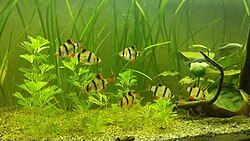
Sinking to the bottom in Tiger Barbs can indicate serious health issues. This condition is urgent and requires immediate attention. Understanding the species' behavior and habitat is crucial in diagnosing and preventing this problem.
Tiger Barb Sinking to Bottom: Common Causes
Internal Issues
Most LikelyInternal parasites, bacterial infections, or internal tumors can cause Tiger Barbs to sink to the bottom.
Poor Water Quality
Most LikelyHigh ammonia or nitrite levels can lead to stress and organ failure, causing them to sink.
Stress
PossibleStress from tankmates, overcrowding, or sudden changes in water parameters can cause this behavior.
Poor Diet
PossibleA lack of nutrition or an improper diet can weaken the fish, leading to this behavior.
Old Age
Less CommonAs they age, Tiger Barbs may exhibit signs of fatigue, which can include sinking to the bottom.
How to Diagnose the Cause
Follow these steps in order. Stop when you identify a likely cause and move to treatment.
- Observe the fish's appearance and behavior for any signs of injury, discoloration, or abnormal swimming patterns.
This includes looking for fin rot, bloating, or clamped fins.
Recommended: magnifying glass - Test the water parameters for ammonia, nitrite, and nitrate levels.
Use a reliable test kit to ensure the water quality is within the recommended range for Tiger Barbs.
Recommended: water test kit - Inspect the tank for any visible signs of parasites or disease, such as white spots or ulcers.
This can help identify if an external condition is causing the issue.
Recommended: microscope - Assess the diet and feeding routine of the fish.
Ensure that the diet is balanced and meets the nutritional requirements of Tiger Barbs.
- Check the tank's water temperature and pH levels, ensuring they are within the optimal range for the species.
Temperature and pH fluctuations can stress the fish and contribute to health issues.
Recommended: water thermometer and pH test kit
How to Treat Tiger Barb Sinking to Bottom
- Improve water quality by changing 25-30% of the tank water weekly and using a water conditioner to remove harmful toxins.
- Administer appropriate medications as directed by a veterinarian, such as antibiotics or antiparasitic treatments, if an infection or infestation is present.
- Ensure the diet is varied and nutritionally balanced, offering high-quality fish food and supplements if needed.
- Reduce stress by minimizing tank disturbances, providing hiding spots, and ensuring adequate space for the fish to swim and school.
- Monitor the fish's progress closely and adjust treatment as necessary. Consult a vet if there is no improvement after a few days of treatment.
How to Prevent Tiger Barb Sinking to Bottom
When to See a Vet
🔬 AI Symptom Checker
Not sure what's wrong? Describe your fish's symptoms to the FishCare AI and get an instant diagnosis.
Check Symptoms →Frequently Asked Questions
This guide was reviewed for biological accuracy and practical aquarium care guidance. Always test water parameters before treating a sick fish — poor water quality is the most common root cause. Consult an aquatic veterinarian if symptoms persist after 48 hours of correct treatment.
Sources: Merck Veterinary Manual — Aquarium Fishes · UF/IFAS Extension — Fish Health Management