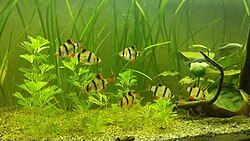
Red streaks on a Tiger Barb are a sign of serious health issues like ich or fin rot, requiring immediate attention. These symptoms indicate internal bleeding or bacterial infections. It's crucial to quickly identify the cause to prevent further complications. Owners should closely monitor the fish's environment and diet.
Tiger Barb Red Streaks on Body: Common Causes
Ich (Ichthyophthirius multifiliis)
Most LikelyA highly contagious protozoan that causes red spots and lesions on the fish's body.
Fin Rot (Saprolegnia ferax or Pseudomonas spp.)
Most LikelyAn infection caused by bacteria that affects the fins, leading to red streaks and tissue damage.
Stress or Poor Diet
PossibleChronic stress or inadequate nutrition can weaken the fish's immune system, making it more susceptible to infections.
Water Quality Issues
PossiblePoor water quality, including high ammonia or nitrite levels, can cause stress and weaken the fish's immune system.
External Physical Trauma
Less CommonPhysical injuries from fighting or collisions with tank decor can cause bleeding and red streaks.
How to Diagnose the Cause
Follow these steps in order. Stop when you identify a likely cause and move to treatment.
- Inspect the fish's fins and body for red streaks and blisters.
Observe the pattern and location of the streaks to determine the likely cause.
- Check the fish's environment for signs of ammonia, nitrite, or nitrate buildup.
Use a water test kit to measure these parameters.
Recommended: Water test kit - Monitor the fish's behavior for signs of stress or aggression.
A stressed fish may show changes in swimming patterns or feeding habits.
- Observe the diet and feeding habits of the fish.
Ensure a balanced diet rich in proteins and vitamins.
- Record the water temperature and pH level to ensure they are within the recommended range.
Use a reliable thermometer and pH test kit.
Recommended: Thermometer, pH test kit
How to Treat Tiger Barb Red Streaks on Body
- Increase aeration and circulation in the tank to reduce ammonia and nitrite levels.
- Perform daily water changes of 20-30% to maintain water quality.
- Use a broad-spectrum antibiotic or antiparasitic treatment as prescribed by a vet, if necessary.
- Ensure the fish is in a stress-free environment with proper tank mates and minimal aggression.
- Adjust the diet to include high-quality food and supplements rich in vitamins and omega-3 fatty acids to boost the fish's immune system.
How to Prevent Tiger Barb Red Streaks on Body
When to See a Vet
🔬 AI Symptom Checker
Not sure what's wrong? Describe your fish's symptoms to the FishCare AI and get an instant diagnosis.
Check Symptoms →Frequently Asked Questions
This guide was reviewed for biological accuracy and practical aquarium care guidance. Always test water parameters before treating a sick fish — poor water quality is the most common root cause. Consult an aquatic veterinarian if symptoms persist after 48 hours of correct treatment.
Sources: Merck Veterinary Manual — Aquarium Fishes · UF/IFAS Extension — Fish Health Management