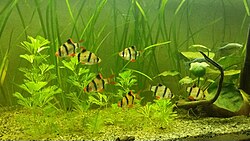
Excess mucus coating in Tiger Barbs can be a sign of stress or infection, requiring immediate attention as it can lead to secondary infections. This is a serious condition in these energetic, social fish. Owners should first consider the fish's environment and diet.
Tiger Barb Mucus Coating: Common Causes
Poor Water Quality
Most LikelyAmmonia and nitrite levels above safe thresholds can stress the fish, causing excess mucus production.
Water Temperature Fluctuations
Most LikelySudden changes in water temperature can cause stress, leading to a thicker slime coat.
Dietary Deficiencies
PossibleLack of variety or sufficient vitamins can weaken the immune system, making the fish more susceptible to mucus overproduction.
Infection
PossibleBacterial, fungal, or parasitic infections can cause mucus production as the fish's body tries to fight off the invaders.
Physical Trauma
Less CommonHandling or tank aggression can cause minor injuries that lead to excess mucus as the fish tries to heal.
How to Diagnose the Cause
Follow these steps in order. Stop when you identify a likely cause and move to treatment.
- Inspect the water parameters
Test for ammonia, nitrite, nitrate, pH, and temperature to ensure they are within the optimal range for Tiger Barbs.
Recommended: Water test kit - Observe the fish's behavior
Note if the fish is listless, not eating, or showing other signs of stress or illness.
- Perform a visual inspection
Look for any signs of injury, such as torn fins, or parasites, which can be causing secondary infections.
- Consider the fish's diet
Assess if the fish is receiving a balanced and varied diet with appropriate vitamin supplements.
- Consult with a vet
If unsure, a veterinarian experienced with tropical fish can provide a definitive diagnosis and treatment plan.
How to Treat Tiger Barb Mucus Coating
- Improve water quality
Perform regular water changes (20-30% weekly) and treat with an ammonia neutralizer if necessary.
- Stabilize water temperature
Maintain a consistent temperature within the Tiger Barb's optimal range of 20-26°C.
- Adjust diet
Ensure a varied diet including high-quality flakes, pellets, and live or frozen foods. Provide vitamin supplements if recommended by a vet.
- Treat infections
Administer appropriate medications as prescribed by a vet, following the dosage instructions carefully.
- Provide stress relief
Ensure the tank has plenty of swimming space, hiding spots, and reduce tankmates to prevent aggression and stress.
How to Prevent Tiger Barb Mucus Coating
When to See a Vet
🔬 AI Symptom Checker
Not sure what's wrong? Describe your fish's symptoms to the FishCare AI and get an instant diagnosis.
Check Symptoms →Frequently Asked Questions
This guide was reviewed for biological accuracy and practical aquarium care guidance. Always test water parameters before treating a sick fish — poor water quality is the most common root cause. Consult an aquatic veterinarian if symptoms persist after 48 hours of correct treatment.
Sources: Merck Veterinary Manual — Aquarium Fishes · UF/IFAS Extension — Fish Health Management