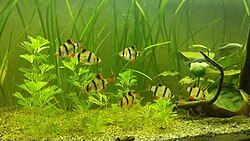
Missing scales in Tiger Barbs can be a sign of stress or underlying health issues. It's a moderate concern that requires monitoring and prompt action. Owners should first ensure proper water parameters and diet, as these are crucial for their well-being.
Tiger Barb Missing Scales: Common Causes
Poor Water Quality
Most LikelyHigh ammonia or nitrite levels can stress the fish and lead to scale loss.
Poor Diet
Most LikelyLack of proper nutrition, especially vitamins and minerals, can weaken the scales.
Fin Nipping
PossibleAggressive tank mates can cause physical damage to the scales.
Bacterial Infections
PossibleGram-negative bacteria can cause scale loss, often accompanied by other symptoms.
Internal Parasites
Less CommonParasites like anchor worms can cause scale loss, often seen in stressed fish.
How to Diagnose the Cause
Follow these steps in order. Stop when you identify a likely cause and move to treatment.
- Check water parameters for ammonia, nitrite, and nitrate levels.
Use a test kit to ensure the water quality is within the optimal range for Tiger Barbs.
Recommended: Water test kit - Inspect the fish for signs of fin nipping or aggression.
Observe tank behavior to identify any bullying or aggression that could be causing physical damage.
- Look for other symptoms such as redness, swelling, or loss of appetite.
These can indicate underlying infections or other health issues.
- Perform a physical examination for external parasites.
Use a magnifying glass to check for any visible parasites.
Recommended: Magnifying glass - Consider internal parasites by taking a sample of the fish's feces for analysis.
This can be done with a fecal float test.
Recommended: Fecal float test kit
How to Treat Tiger Barb Missing Scales
- Improve water quality by performing regular water changes and maintaining optimal parameters.
Change 20-30% of the water weekly to keep ammonia and nitrite levels low.
- Provide a balanced diet with high-quality fish food and supplements.
Ensure the diet includes vitamins and minerals to support scale health.
- Separate the affected fish if fin nipping is suspected.
This can help prevent further injury and stress.
- Treat bacterial infections with appropriate antibiotics.
Consult a vet for the correct medication and dosage.
- Treat internal parasites with deworming medication.
Follow the vet's instructions for the correct treatment and dosage.
How to Prevent Tiger Barb Missing Scales
When to See a Vet
🔬 AI Symptom Checker
Not sure what's wrong? Describe your fish's symptoms to the FishCare AI and get an instant diagnosis.
Check Symptoms →Frequently Asked Questions
This guide was reviewed for biological accuracy and practical aquarium care guidance. Always test water parameters before treating a sick fish — poor water quality is the most common root cause. Consult an aquatic veterinarian if symptoms persist after 48 hours of correct treatment.
Sources: Merck Veterinary Manual — Aquarium Fishes · UF/IFAS Extension — Fish Health Management