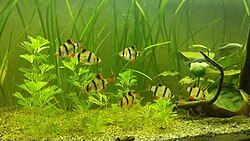
Lethargy in Tiger Barbs often indicates a serious underlying issue, as these active fish typically maintain a lively demeanor. This problem can range from minor to life-threatening, and it's crucial for owners to identify the cause promptly. First, ensure the water parameters are ideal for Tiger Barbs, as imbalances can lead to stress and lethargy.
Tiger Barb Lethargic or Inactive: Common Causes
Poor Water Quality
Most LikelyHigh ammonia or nitrite levels can cause stress and lead to lethargy.
Disease
Most LikelyBacterial infections, such as ich or velvet, can make Tiger Barbs appear inactive.
Overcrowding
PossibleLack of space can cause stress and lead to lethargic behavior.
Improper Diet
PossibleInadequate nutrition or diet changes can cause lethargy in Tiger Barbs.
Stress from Tank Mates
Less CommonAggressive tank mates or bullying can lead to stress and reduced activity.
How to Diagnose the Cause
Follow these steps in order. Stop when you identify a likely cause and move to treatment.
- Check water parameters
Test for ammonia, nitrite, nitrate, pH, and temperature. Use a water testing kit.
Recommended: Water testing kit - Observe fish behavior
Look for signs of disease such as spots, spots, or clamped fins.
- Inspect the tank environment
Ensure the tank is clean, and there are no visible sources of stress.
- Evaluate diet
Assess the diet and ensure it's balanced and suitable for Tiger Barbs.
- Consider tank mates
Review the tank population and ensure it's compatible with the Tiger Barbs.
How to Treat Tiger Barb Lethargic or Inactive
- Improve water quality
Perform regular water changes (20-30% weekly) and maintain optimal water parameters.
- Isolate sick fish
If disease is suspected, move the affected fish to a separate hospital tank with clean water.
- Adjust diet
Ensure a balanced diet rich in vitamins and minerals, possibly including vitamin supplements.
- Re-evaluate tank mates
If bullying is the issue, consider rehoming aggressive tank mates or adding more hiding spots.
- Monitor progress
Continue to monitor the fish's behavior and health, adjusting treatments as necessary.
How to Prevent Tiger Barb Lethargic or Inactive
When to See a Vet
🔬 AI Symptom Checker
Not sure what's wrong? Describe your fish's symptoms to the FishCare AI and get an instant diagnosis.
Check Symptoms →Frequently Asked Questions
This guide was reviewed for biological accuracy and practical aquarium care guidance. Always test water parameters before treating a sick fish — poor water quality is the most common root cause. Consult an aquatic veterinarian if symptoms persist after 48 hours of correct treatment.
Sources: Merck Veterinary Manual — Aquarium Fishes · UF/IFAS Extension — Fish Health Management