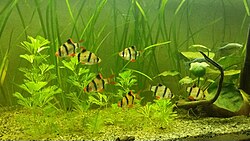
Coughing or spitting in Tiger Barbs can indicate stress or health issues. It's a serious sign that requires immediate attention. Owners should first assess water quality and diet before seeking professional help.
Tiger Barb Coughing or Spitting: Common Causes
Poor Water Quality
Most LikelyAmmonia, nitrite, or nitrate levels can cause stress and respiratory issues.
Infection
PossibleBacterial or parasitic infections can lead to coughing or spitting.
Dietary Issues
PossibleOverfeeding or incorrect diet can cause digestion problems and coughing.
Stress
PossibleCrowding, aggression, or changes in water parameters can stress the fish.
Environmental Changes
Less CommonSudden temperature or pH shifts can disrupt the fish's respiratory system.
How to Diagnose the Cause
Follow these steps in order. Stop when you identify a likely cause and move to treatment.
- Check the water parameters for ammonia, nitrite, and nitrate levels.
Use a test kit to ensure the water is within the appropriate range for Tiger Barbs.
Recommended: Water test kit - Observe the fish's behavior and appearance for other signs of illness.
Look for signs of infection, such as ulcers or spots, or behavioral changes like lethargy.
- Assess the fish's diet and feeding habits.
Ensure the diet is balanced and not overfeeding the fish.
- Evaluate the tank environment for stressors.
Check for aggression, overcrowding, or recent changes in water parameters.
- Consider any recent changes in the tank setup or diet.
Even subtle changes can cause stress in Tiger Barbs.
How to Treat Tiger Barb Coughing or Spitting
- Improve water quality by performing regular water changes and treating for ammonia, nitrite, and nitrate.
Change 20-30% of the water weekly and use water conditioners if necessary.
- If infection is suspected, treat the tank with appropriate medications.
Follow the instructions on the medication and monitor the fish's response.
- Adjust the diet to ensure it is appropriate for the fish's needs.
Provide a balanced diet with varied food types and avoid overfeeding.
- Reduce stress by ensuring the tank is well-maintained and the fish are not overcrowded.
Provide hiding spots and ensure the tank is spacious for the number of fish.
- Gradually adjust water parameters if changes are necessary, to avoid shock to the fish.
Use a water conditioner to buffer the pH and temperature changes if needed.
How to Prevent Tiger Barb Coughing or Spitting
When to See a Vet
🔬 AI Symptom Checker
Not sure what's wrong? Describe your fish's symptoms to the FishCare AI and get an instant diagnosis.
Check Symptoms →Frequently Asked Questions
This guide was reviewed for biological accuracy and practical aquarium care guidance. Always test water parameters before treating a sick fish — poor water quality is the most common root cause. Consult an aquatic veterinarian if symptoms persist after 48 hours of correct treatment.
Sources: Merck Veterinary Manual — Aquarium Fishes · UF/IFAS Extension — Fish Health Management