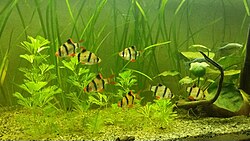
Clamped fins in Tiger Barbs often indicate stress, poor water quality, or parasitic infections. It is not an emergency but should be monitored as it could signal more severe issues. Owners should first assess water parameters and the fish's environment to identify potential causes.
Tiger Barb Clamped Fins: Common Causes
Poor Water Quality
Most LikelyHigh levels of ammonia, nitrites, or nitrates can stress the fish and lead to fin clamping.
Poor Diet
PossibleLack of nutrients, particularly omega-3 fatty acids, can cause stress and weaken the fins.
Parasitic Infections
PossibleIck or other parasites can cause stress and lead to fin clamping.
Water Temperature Fluctuations
Less CommonSudden changes in water temperature can stress the fish and cause fin clamping.
Fin Nipping
Less CommonLiving in a small group can lead to fin nipping, which may cause fin clamping.
How to Diagnose the Cause
Follow these steps in order. Stop when you identify a likely cause and move to treatment.
- Measure water parameters for ammonia, nitrites, and nitrates.
Use an aquarium test kit.
Recommended: Water test kit - Check the fish's diet and ensure it's well-balanced.
Feed high-quality flake food and occasional live or frozen foods.
- Observe the fish for other signs of illness such as loss of appetite, cloudiness of the eyes, or bloating.
Look for changes in behavior or physical appearance.
- Inspect the fish for external parasites.
Look for small, white specks or cotton-like growths on the fish.
- Assess the fish's environment for stress factors such as loud noises or sudden temperature changes.
Ensure the tank setup is stable and comfortable for the fish.
How to Treat Tiger Barb Clamped Fins
- Adjust water parameters to the ideal levels (ammonia < 0.1 ppm, nitrites < 0.5 ppm, nitrates < 20 ppm).
Use water treatments if necessary.
- Improve the fish's diet with higher omega-3 content, such as krill or algae-based foods.
Ensure variety in the diet for better nutrition.
- Consider adding a formalin dip for parasites if indicated, and treat the tank water with an appropriate medicine.
Follow the manufacturer's instructions closely.
- Keep the tank temperature stable and reduce stress factors like loud noises or bright lights.
Ensure the tank is a quiet and comfortable environment.
- If fin nipping is an issue, increase the group size or consider using tank dividers.
Provide more space and reduce aggression between fish.
How to Prevent Tiger Barb Clamped Fins
When to See a Vet
🔬 AI Symptom Checker
Not sure what's wrong? Describe your fish's symptoms to the FishCare AI and get an instant diagnosis.
Check Symptoms →Frequently Asked Questions
This guide was reviewed for biological accuracy and practical aquarium care guidance. Always test water parameters before treating a sick fish — poor water quality is the most common root cause. Consult an aquatic veterinarian if symptoms persist after 48 hours of correct treatment.
Sources: Merck Veterinary Manual — Aquarium Fishes · UF/IFAS Extension — Fish Health Management