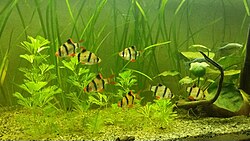
Black spots on Tiger Barbs, often due to stress or infections, are a serious sign. These spots can be a sign of a more severe condition like ich or bacterial infections. It is crucial for owners to monitor the fish's behavior and水质 conditions promptly.
Tiger Barb Black Spots: Common Causes
Ich (Ichthyophthirius multifiliis)
Most LikelyA highly contagious protozoan parasite that can cause white spots before the black spots appear.
Bacterial Infections
Most LikelyThese can be caused by poor water quality or stress, leading to spots on the fish's body and fins.
Stress
PossibleStress can weaken the fish's immune system, making it more susceptible to diseases like ich or bacterial infections.
Poor Diet
PossibleA lack of proper nutrition can weaken the fish, making it more vulnerable to diseases.
Water Quality Issues
Less CommonHigh ammonia or nitrite levels can stress the fish, leading to spots and other health issues.
How to Diagnose the Cause
Follow these steps in order. Stop when you identify a likely cause and move to treatment.
- Observe the fish's behavior and appearance for any signs of stress or illness.
Look for any changes in swimming patterns, appetite, or interaction with other fish.
- Check the water parameters for ammonia, nitrite, and nitrate levels.
Use a water test kit to ensure the water quality is within the optimal range for Tiger Barbs.
Recommended: Water test kit - Inspect the fish for any other signs of disease, such as fin rot or ulcers.
These can be secondary symptoms of a more serious underlying condition.
- Observe the fish's environment for any potential stressors, such as over拥挤 or aggression.
Ensure the tank has adequate space and is free from aggressive tankmates.
- Consult a veterinarian for a definitive diagnosis if the symptoms persist or worsen.
A vet can provide a more accurate diagnosis and treatment plan.
How to Treat Tiger Barb Black Spots
- Increase the frequency of water changes to maintain optimal water quality.
Change 20-30% of the water weekly, ensuring the temperature and pH are balanced.
- Use an appropriate medication, such as an ich treatment, following the vet's recommendation.
Follow the instructions carefully to avoid over or under-treatment.
- Ensure the diet is balanced and meets the nutritional needs of the Tiger Barb.
Feed a varied diet that includes high-quality flake food and occasional live or frozen foods.
- Provide a stress-free environment by reducing aggression and ensuring proper tank maintenance.
Avoid overcrowding and ensure the tank is clean and well-maintained.
- Monitor the fish closely for any signs of improvement or worsening of the condition.
Adjust treatment as needed based on the fish's response to the treatment plan.
How to Prevent Tiger Barb Black Spots
When to See a Vet
🔬 AI Symptom Checker
Not sure what's wrong? Describe your fish's symptoms to the FishCare AI and get an instant diagnosis.
Check Symptoms →Frequently Asked Questions
This guide was reviewed for biological accuracy and practical aquarium care guidance. Always test water parameters before treating a sick fish — poor water quality is the most common root cause. Consult an aquatic veterinarian if symptoms persist after 48 hours of correct treatment.
Sources: Merck Veterinary Manual — Aquarium Fishes · UF/IFAS Extension — Fish Health Management