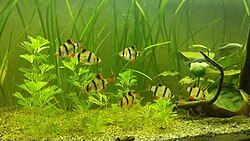
Suddenly aggressive behavior in Tiger Barbs can stem from stress, overcrowding, or changes in tank conditions. It's a moderate concern that can escalate if not addressed promptly. Owners should first ensure stable tank parameters and adequate space for their fish.
Tiger Barb Aggressive: Common Causes
Stress
Most LikelyChanges in water quality, temperature, or sudden tank rearrangements can cause stress.
Overcrowding
Most LikelyInsufficient space for swimming can lead to aggressive behavior.
Hormonal Changes
PossibleMales may become more aggressive during spawning season.
Poor Diet
PossibleLack of essential nutrients can lead to behavioral issues.
Disease
Less CommonUnderlying health issues can manifest as aggression.
How to Diagnose the Cause
Follow these steps in order. Stop when you identify a likely cause and move to treatment.
- Observe the tank environment
Check for recent changes in water quality, temperature, or decorations.
- Monitor tank mates
Ensure there are no aggressive interactions between the Tiger Barb and other fish.
- Assess the diet
Ensure a balanced diet is provided with a variety of foods.
- Check for signs of disease
Look for physical symptoms such as ulcers or fin rot.
- Consider the age and sex of the fish
Younger fish or males may exhibit more aggression.
How to Treat Tiger Barb Aggressive
- Stabilize tank conditions
Adjust water parameters to ideal levels and maintain consistent conditions.
- Provide more space
Increase the tank size or rearrange the decor to reduce overcrowding.
- Improve diet
Offer a varied diet with high-quality foods and supplements if necessary.
- Separate the aggressive fish
If aggression is due to tank mates, temporarily separate the aggressive Tiger Barb.
- Consult a vet
If the aggression persists, seek professional advice for a possible underlying health issue.
How to Prevent Tiger Barb Aggressive
When to See a Vet
🔬 AI Symptom Checker
Not sure what's wrong? Describe your fish's symptoms to the FishCare AI and get an instant diagnosis.
Check Symptoms →Frequently Asked Questions
This guide was reviewed for biological accuracy and practical aquarium care guidance. Always test water parameters before treating a sick fish — poor water quality is the most common root cause. Consult an aquatic veterinarian if symptoms persist after 48 hours of correct treatment.
Sources: Merck Veterinary Manual — Aquarium Fishes · UF/IFAS Extension — Fish Health Management