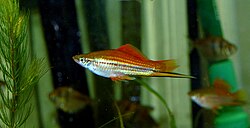
Ichthyophthirius multifiliis, or white spot disease, is a highly contagious issue for Green Swordtails. It is urgent due to its rapid spread and potential to cause significant stress and death. Owners should isolate the affected fish immediately to prevent the spread and be prepared for an intensive treatment.
Green Swordtail White Spots (Ich): Common Causes
Poor Water Quality
Most LikelyUnbalanced pH, high ammonia or nitrite levels, or inadequate water changes can weaken the fish's immune system, making them more susceptible to Ich.
New Tank Syndrome
PossibleHigh ammonia and nitrite levels in new tanks can stress the fish, leading to a compromised immune system and increased risk of Ich.
Introducing New Fish
Most LikelyBringing in new fish can introduce the Ich parasite into the tank, especially if the new fish are carriers.
Overcrowding
PossibleToo many fish in a small tank can lead to higher stress levels, increasing the likelihood of Ich outbreaks.
Poor Diet
Less CommonInadequate nutrition can weaken the fish's immune system, making them more prone to infections like Ich.
How to Diagnose the Cause
Follow these steps in order. Stop when you identify a likely cause and move to treatment.
- Observe the fish closely for the classic salt-grain-like white spots on the body and fins.
Check for spots that appear to be moving on the fish's body or fins when the fish is in motion.
- Perform a thorough physical examination of the fish, including the gills, mouth, and scales.
Look for any signs of fin or scale erosion, clamped fins, or other abnormal physical changes.
Recommended: magnifying glass - Check the tank's water parameters for ammonia, nitrite, nitrate, pH, and temperature.
These parameters should be within the recommended range for Green Swordtails.
Recommended: water testing kit - Consider the recent tank changes or the introduction of new fish as potential causes of stress.
Identify any recent events that may have increased stress levels in the tank.
- Consult with other experienced Green Swordtail keepers or online forums for additional insights.
Community input can sometimes provide clues or solutions that may not be immediately obvious.
How to Treat Green Swordtail White Spots (Ich)
- Isolate the affected fish in a separate tank with the same water parameters as the main tank.
- Increase the tank's temperature to 29.4–30.0°C, which can help to slow the life cycle of the Ich parasite.
- Perform daily water changes of 20-30% to remove Ich eggs and maintain good water quality.
- Use a copper-based treatment or an Ich-specific medication as directed on the product label.
- Continue treatment for 2-3 weeks to ensure all Ich parasites are killed, even after the visible spots have disappeared from the fish.
How to Prevent Green Swordtail White Spots (Ich)
When to See a Vet
🔬 AI Symptom Checker
Not sure what's wrong? Describe your fish's symptoms to the FishCare AI and get an instant diagnosis.
Check Symptoms →Frequently Asked Questions
This guide was reviewed for biological accuracy and practical aquarium care guidance. Always test water parameters before treating a sick fish — poor water quality is the most common root cause. Consult an aquatic veterinarian if symptoms persist after 48 hours of correct treatment.
Sources: Merck Veterinary Manual — Aquarium Fishes · UF/IFAS Extension — Fish Health Management