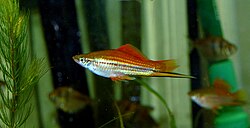
Rubbing against objects in Green Swordtails, also known as Xiphophorus hellerii, can be indicative of stress or illness, which is of moderate urgency. Understanding the causes and prompt care is crucial to avoid further health issues. First, check water parameters and consider the fish's behavior in the community.
Green Swordtail Rubbing Against Objects: Common Causes
Poor Water Quality
Most LikelyAmmonia, nitrite, or nitrate levels that exceed recommended ranges can stress the fish and cause this behavior.
Inadequate Diet
PossibleInsufficient or imbalanced nutrition can lead to malnutrition and skin issues.
Stress from Tank Mates
PossibleAggression from other fish can stress out the swordtail and lead to scratching behavior.
Physical Trauma
Less CommonInjury or impact on the fish can cause pain and prompting rubbing against objects for relief.
Environmental Stress
PossibleDramatic changes in water parameters, lighting, or tank setup can distress the fish.
How to Diagnose the Cause
Follow these steps in order. Stop when you identify a likely cause and move to treatment.
- Test the water for ammonia, nitrite, and nitrate levels using a test kit.
Compare results with the ideal freshwater parameters for Green Swordtails.
Recommended: Water test kit - Inspect the fish for signs of injury, parasites, or abnormal coloration.
Physical examination is crucial to identify external causes.
- Evaluate the diet of the fish and consider adding variety to ensure proper nutrition.
Green Swordtails require a balanced diet of flakes, pellets, and fresh vegetables.
- Observe the behavior of the fish in relation to tank mates and overall stressors in the tank.
Social dynamics can be a significant source of stress.
- Review recent changes in the tank environment or water conditions.
Gradual changes are preferable for stress reduction.
How to Treat Green Swordtail Rubbing Against Objects
- Adjust water parameters to ideal levels and maintain regular water changes to ensure water quality.
Keep the temperature between 22.0–28.0°C and pH between 7.0–8.3.
- Improve the diet with more variety and higher-quality foods to address any nutritional deficiencies.
Supplement with algae wafers and live plants to enhance nutrition.
- Implement measures to reduce stress, such as providing ample swimming space, hiding spots, and reducing aggressive tank mates.
Create a comfortable and safe environment.
- If physical trauma is suspected, treat the fish with anti-inflammatory medications or consult a vet for further treatment.
Consult a vet if there is any indication of serious injury.
- If the cause is environmental, consider gradual adjustments to lighting and water parameters.
Stress from sudden changes can be alleviated by making changes slowly and predictably.
How to Prevent Green Swordtail Rubbing Against Objects
When to See a Vet
🔬 AI Symptom Checker
Not sure what's wrong? Describe your fish's symptoms to the FishCare AI and get an instant diagnosis.
Check Symptoms →Frequently Asked Questions
This guide was reviewed for biological accuracy and practical aquarium care guidance. Always test water parameters before treating a sick fish — poor water quality is the most common root cause. Consult an aquatic veterinarian if symptoms persist after 48 hours of correct treatment.
Sources: Merck Veterinary Manual — Aquarium Fishes · UF/IFAS Extension — Fish Health Management